

By using our website, you agree to the use of cookies as described in our Cookie Policy
Hidden Pet Waste Could Be Hurting Your Lawn
Most homeowners think lawn care is about watering schedules and fertilizer timing. Mow it right, feed it well, and the grass should thrive. But there's one problem lurking in the background that nobody wants to talk about — and it's doing more damage than missed waterings or skipped cuts. Pet waste doesn't just disappear into the soil. It leaves a mark. And if you're not dealing with it head-on, your lawn is paying the price.
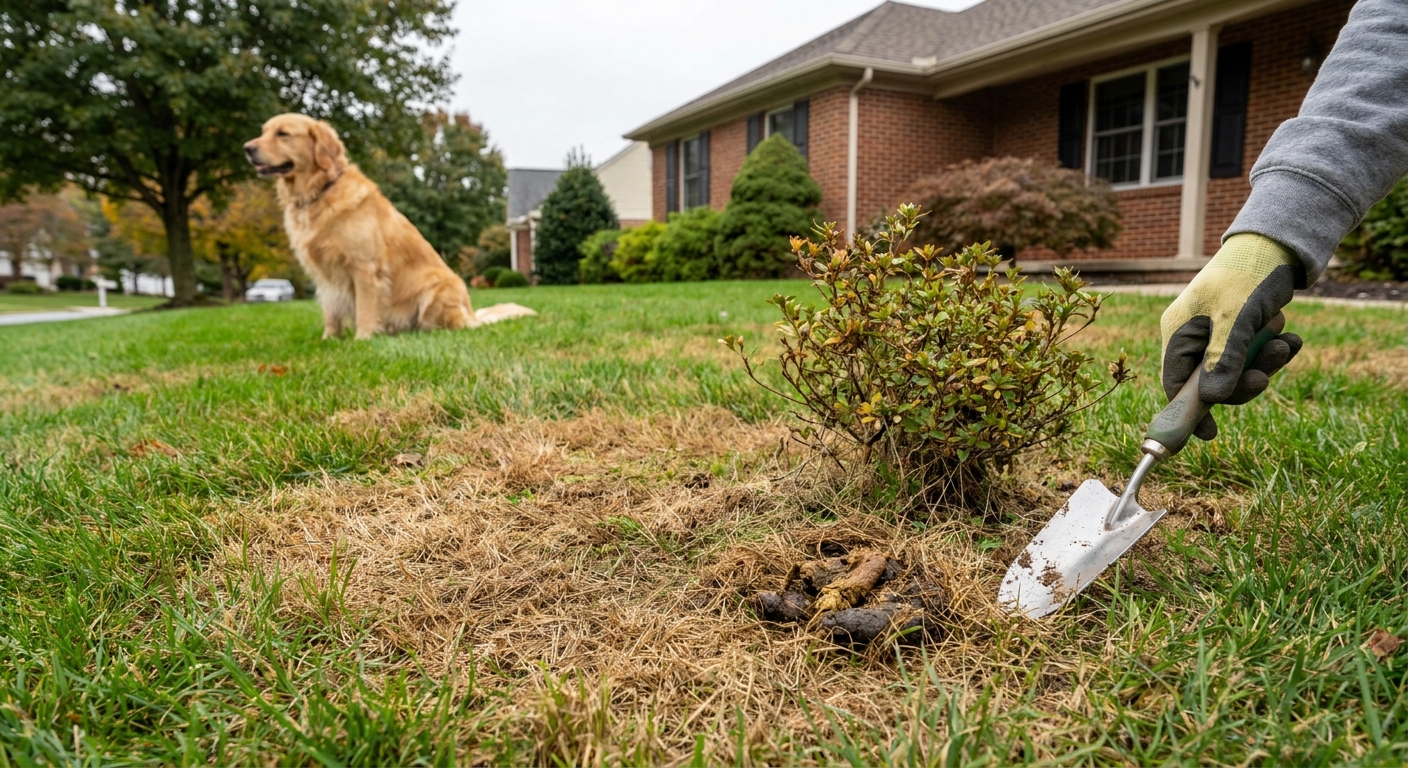
So here's the reality. If you've got pets running the yard, that's part of the deal. Just don't pretend their waste is harmless. Every pile needs to be picked up. Every spot needs attention. And every lawn decision should be grounded in how waste affects the turf — not just how green things look from the window.
Dog Droppings Aren't Fertilizer
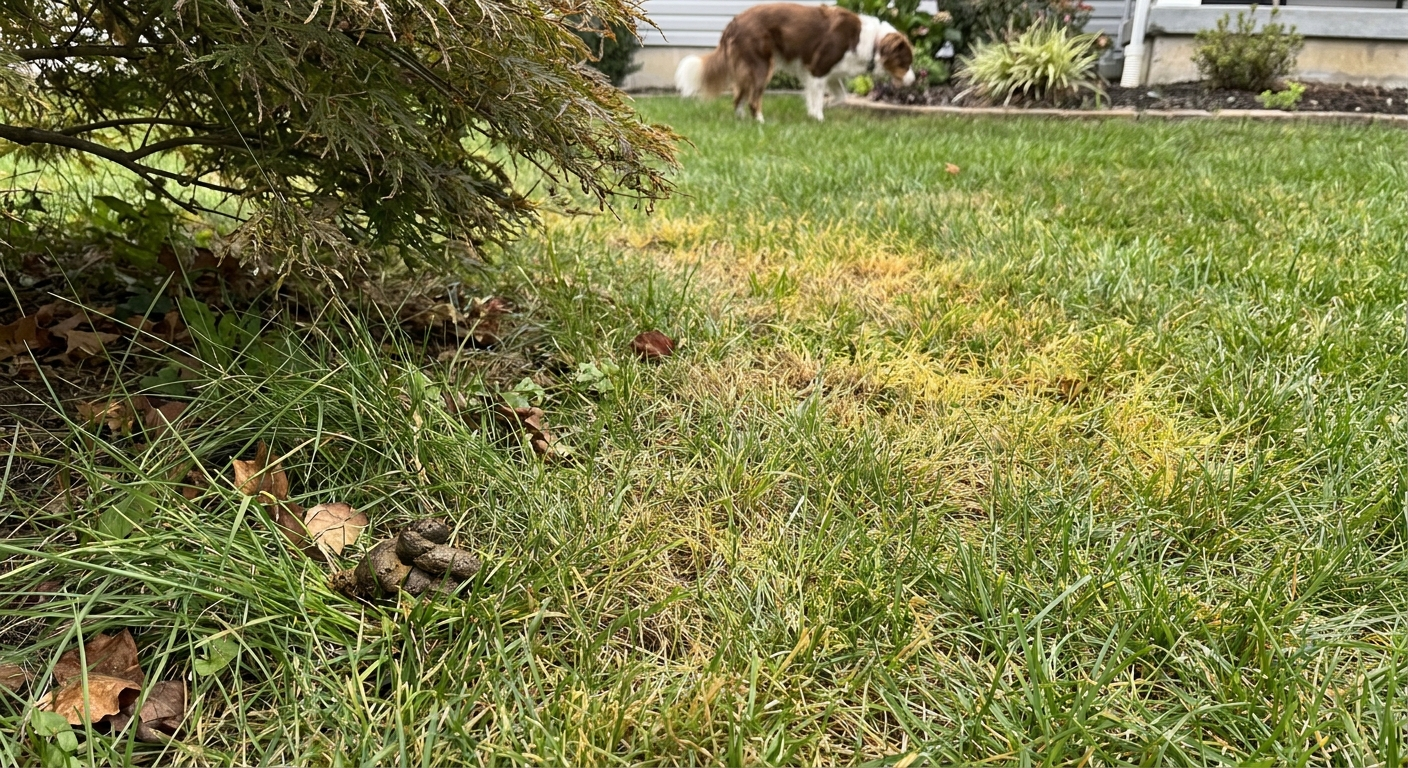
We've all heard someone say it. "It's natural, it'll just break down." Maybe that works with cow manure on a farm, but dog waste? Different game entirely. The nitrogen levels are way too concentrated, and instead of feeding your grass, it scorches it. You'll see yellow rings, dead patches, and turf that struggles to bounce back no matter how much you water.
And it's not just the chemical burn. Pet waste carries bacteria, parasites, and pathogens that stick around long after the visible mess is gone. Your kids play on that grass. Your dog rolls in it. If the waste wasn't cleaned up properly, those contaminants are still there — waiting.
What You Don't See Still Counts
The worst offenders aren't the piles sitting in the open. It's the ones tucked under bushes, hidden in taller grass, or left behind because nobody noticed. That's where the real buildup happens. And once it starts piling up, the damage spreads faster than you think.
Rain makes it worse. Water moves across the lawn and drags all that bacteria and nitrogen with it. Now you've got contamination in spots your dog never even touched. And in some cases, that runoff doesn't stop at your property line — it heads straight into storm drains and local waterways.
The Grass Takes the Brunt
When waste sits on your lawn, it doesn't feed the turf evenly. It overloads one area with nitrogen while starving another. The pH balance shifts. The soil gets compacted. Sunlight and air can't penetrate the way they should, and your grass starts thinning out in random spots.
Over time, you'll notice patches that won't green up no matter what you throw at them. That's not a watering issue or a bad batch of seed. That's waste damage — and it compounds with every missed cleanup.
How to Stay Ahead of the Problem
You don't need a complex system to fix this. You just need consistency. Walk the yard regularly, especially in high-traffic pet zones, and pick up waste as soon as you spot it. Use bags that break down or invest in a proper disposal setup that keeps things contained.
Here's what works for most of us:
- Daily or every-other-day sweeps of the yard
- Biodegradable waste bags for easy cleanup
- A designated pet area if you've got the space
- Training pets to use one zone consistently
- Routine lawn aeration to combat soil compaction
Repair Strategies That Actually Help
If the damage is already done, don't panic. Grass can recover — but only if you give it the right conditions. Start by aerating the affected areas to break up compacted soil and improve drainage. Overseed those spots with a quality grass mix, and water them consistently until new growth takes hold.
You'll also want to test your soil pH and adjust as needed. If waste has thrown things out of balance, a simple lime treatment or sulfur application can help reset the environment. Pair that with a balanced fertilizer — not more nitrogen — and your lawn will start filling in the gaps.
- Aerate damaged zones to restore airflow
- Overseed with a turf blend suited to your climate
- Test and correct soil pH imbalances
- Apply balanced fertilizer, not high-nitrogen blends
- Water new growth daily until it's established
Training Cuts Down the Chaos
If you've got multiple pets or a large yard, designating a bathroom zone makes life easier. Train your pets to use one area, and you'll contain the mess instead of chasing it across the entire lawn. It takes time, but the payoff is worth it — less cleanup, less damage, and healthier grass everywhere else.
Use positive reinforcement and consistency. Take your pet to the same spot every time, reward them when they go, and stay patient. Once the habit sticks, you'll spend less time scanning the yard and more time enjoying it.
- Pick a specific corner or section for pet use
- Lead your pet there consistently
- Reward them immediately after they go
- Use gravel or mulch in that zone to minimize turf damage
- Clean the area regularly to prevent buildup
When Health Risks Go Beyond the Lawn
Bacteria like E. coli and salmonella thrive in pet waste. So do parasites like roundworms and hookworms. These aren't just lawn problems — they're health hazards. Kids playing outside, pets sniffing around, even adults walking barefoot can come into contact with contaminated soil.
The longer waste sits, the higher the risk. And once those pathogens are in the soil, they don't wash away with a single rainstorm. You need consistent removal and proper lawn care to reduce exposure and keep your yard safe for everyone.
- E. coli and salmonella can spread from waste to humans
- Roundworms and hookworms survive in soil for months
- Children and pets are most vulnerable to contamination
- Regular cleanup reduces pathogen load significantly
- Washing hands after yard time is non-negotiable
Gear That Makes Cleanup Faster
You don't need to overthink the tools. A sturdy scooper, biodegradable bags, and a dedicated waste bin are enough to handle most situations. If you've got a big yard or multiple pets, upgrade to a rolling waste container or a hands-free pickup system. The goal is to make cleanup so easy you actually do it.
Avoid leaving waste in standard trash cans for long periods. Odor builds up, and so does contamination risk. Use sealed containers designed for pet waste, and empty them frequently. If you're in a neighborhood with municipal pet waste disposal, take advantage of it.
- Invest in a long-handled scooper to save your back
- Stock up on biodegradable or compostable waste bags
- Use a sealed bin to contain odors
- Empty waste containers weekly at minimum
- Check if your area offers pet waste composting programs
Small Yards Need the Same Attention
Just because your lawn is compact doesn't mean waste does less damage. In fact, smaller yards often see worse impact because the concentration is higher. One missed cleanup in a tight space can affect a larger percentage of your turf than the same oversight would in a sprawling backyard.
Stay vigilant. Walk the yard daily, even if it only takes two minutes. The effort pays off in healthier grass, fewer dead spots, and a yard that actually looks cared for.
Prevention Beats Damage Control
Fixing a lawn ravaged by pet waste takes time, money, and patience. Preventing the damage in the first place? That's free. All it costs is a few minutes a day and a commitment to stay on top of things. There's no excuse for letting waste pile up when the tools and strategies are this straightforward. But there's also no forgiveness when neglect turns your yard into a patchwork of dead grass and contaminated soil.
We've seen plenty of homeowners bounce back from lawn damage — and just as many who wish they'd handled things differently from the start. The difference isn't luck. It's habit. Pick up the waste, train your pets, and treat your lawn like it matters. Because it does. If you're struggling to keep up with weekly poop cleanup, professional poop scooping services can help maintain your yard year-round. For persistent odor issues, consider odor elimination treatment to restore your outdoor space.
Let’s Keep Your Lawn at Its Best
We all want a yard that’s safe, clean, and ready for family fun—without the stress of constant cleanup. If you’re ready to reclaim your weekends and give your grass the care it deserves, let’s tackle the mess together. Call us at (717) 999-5997 (Scooping Services) and 717-434-5261 (Pet Sitting Services) or schedule your cleanup and see how easy it is to enjoy a healthier, pet-friendly lawn all year long.
‹ Back
Recent Posts
-
Hidden Pet Waste Could Be Hurting Your Lawn
October 27, 2026
-
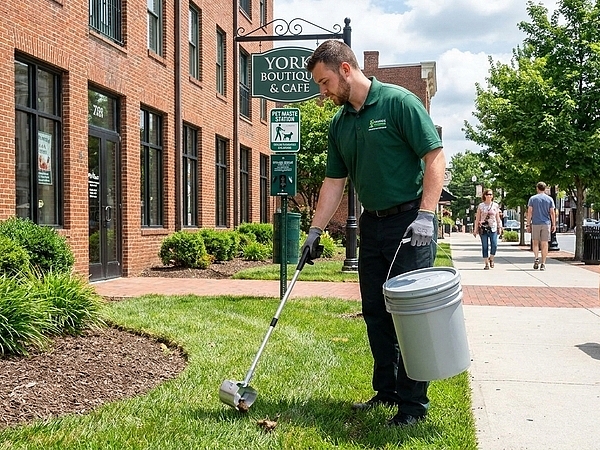
Keeping York Businesses Clean with Commercial Pet Waste Removal
October 13, 2026
-
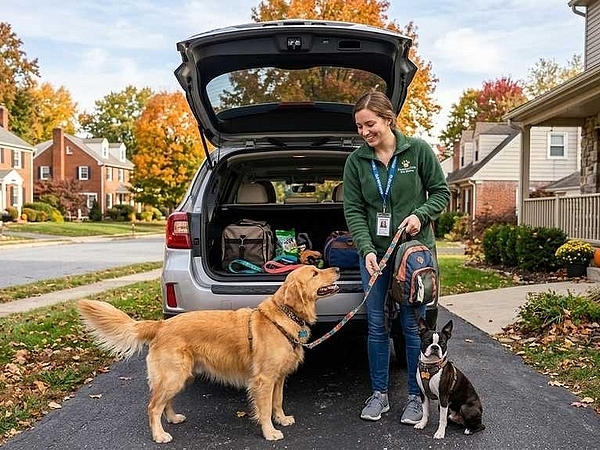
Heading Out for the Weekend? Pet Sitting in York Can Help
September 29, 2026
-
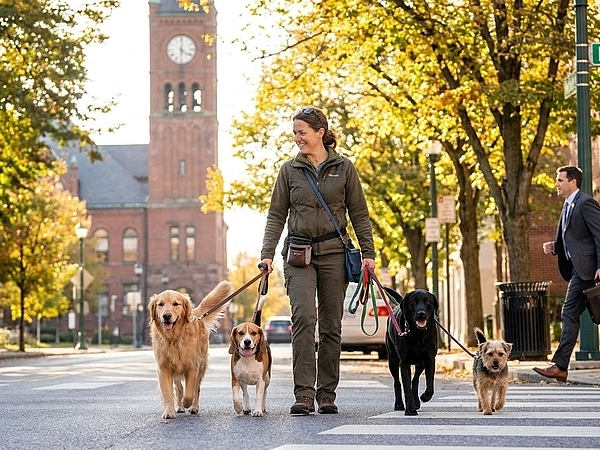
Need a Dog Walker in York While You're at Work?
September 15, 2026
-
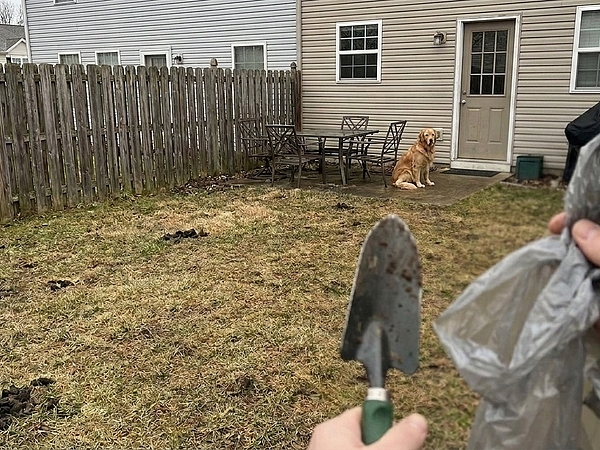
Is Pet Waste in York Making Your Backyard Less Enjoyable?
September 1, 2026