

By using our website, you agree to the use of cookies as described in our Cookie Policy
Is Pet Waste Building Up Faster Than You Expect in York?
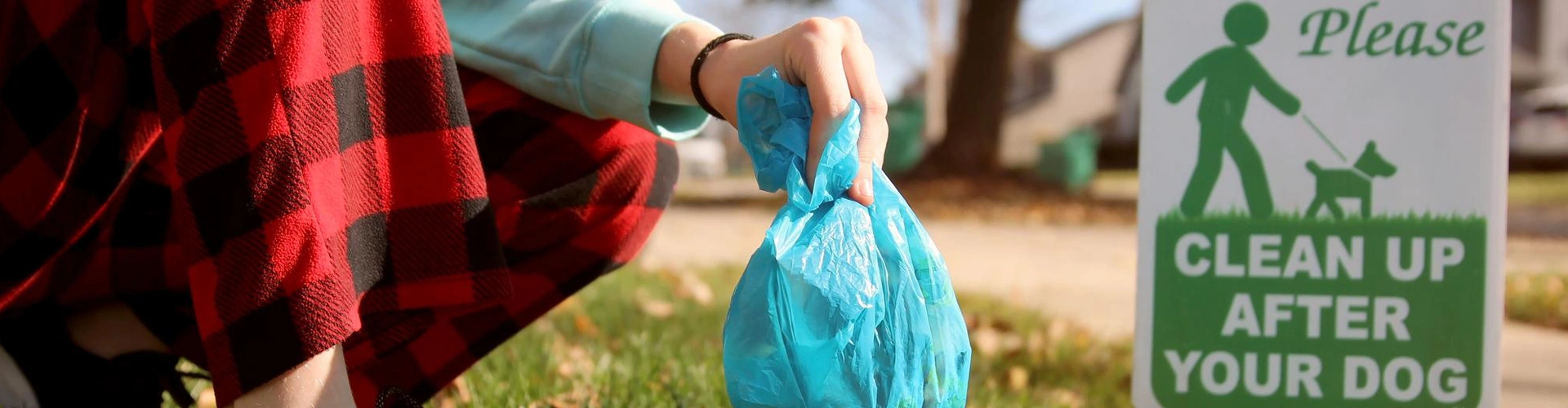
Most York pet owners think waste management is simple. Scoop it, toss it, move on. But the reality is messier than that — and if you're not paying attention, you're sitting on a problem that compounds faster than you'd guess. Waste doesn't vanish. It lingers, it spreads, and it leaves a mark on your yard, your neighborhood, and the local ecosystem. Especially when cleanup routines slip or weather conditions slow decomposition to a crawl.
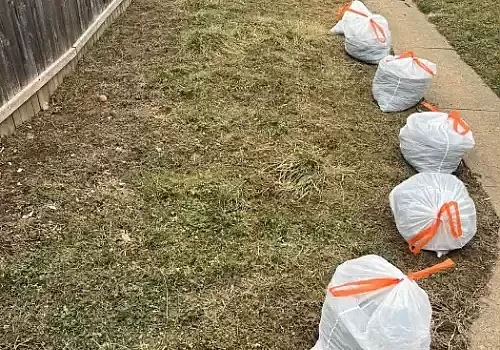
Here's what matters. If you've got pets, you've got waste — and that waste has consequences. Every pile left behind is a health risk waiting to happen. Every missed pickup adds to the load. And every assumption that "it'll break down on its own" is a miscalculation that costs more than you think. York's green spaces deserve better. So do your neighbors.
The Volume Creeps Up Without Warning
Pet ownership across York has climbed steadily, and with it, the sheer tonnage of waste hitting lawns and parks. More dogs mean more deposits. More cats mean more litter. And when schedules get tight, cleanup falls to the bottom of the list. That's when accumulation starts — not in dramatic piles, but in steady, unnoticed buildup that turns manageable into overwhelming.
A single dog drops roughly a pound daily. Over a year, that's north of three hundred pounds per animal. Multiply that across a household with two or three pets, and you're looking at serious volume. Miss a few days, and you've got a backlog. Miss a week, and you've got a mess that's harder to ignore — and harder to clean.
Decomposition Takes Longer Than You Think
There's a myth floating around that pet waste is just organic matter, harmless and quick to disappear. That's not how it works. In York's damp, cool climate, waste can sit for weeks or months before breaking down. During that window, it's not inert. It's leaching bacteria into soil, attracting pests, and creating odor problems that spread across yards and sidewalks.
Cold snaps slow the process even further. Rain doesn't wash it away — it moves contaminants into storm drains and waterways. And if waste lands on grass or garden beds, it doesn't fertilize. It burns. The nitrogen concentration is too high, leaving dead patches and damaged roots. What looks like neglect is often just misunderstood biology.
Water Quality Takes the Hit
When waste gets left on the ground, rainfall does the rest. Runoff carries bacteria, parasites, and pathogens straight into York's drainage systems. From there, it flows into rivers, streams, and reservoirs — the same water sources that feed local ecosystems and, in some cases, municipal supplies.
The contamination isn't theoretical. E. coli, Salmonella, and Giardia all thrive in pet waste. Once they enter waterways, they threaten wildlife, degrade water quality, and create public health risks. York's parks and green corridors are part of what makes the area livable. Letting waste slide into those systems undermines that value — and it's entirely preventable.
Health Risks Aren't Limited to Pets
Pet waste is a vector for disease, plain and simple. Roundworms, hookworms, and other parasites can survive in soil for years. Kids playing in yards or parks are especially vulnerable. So are other animals. Dogs can pick up parvovirus or leptospirosis from contaminated ground. Cats can contract toxoplasmosis. And humans? We're not immune either.
The risks multiply when waste isn't removed promptly. Every day it sits is another day for pathogens to spread. Every rainstorm is another chance for contamination to migrate. And every missed cleanup is a gamble with the health of your household and your community. The stakes are higher than most people realize.
Why Cleanup Routines Fall Apart
Life gets busy. We get it. But here's where most York pet owners slip up:
- Waiting until the weekend to do a full yard sweep, by which point waste has piled up and spread
- Assuming rain will take care of it, when in reality rain just moves the problem elsewhere
- Using flimsy bags that tear or leak, making the job harder and less sanitary
- Skipping public space pickups during walks, leaving waste on trails and sidewalks
- Underestimating how much waste multiple pets generate, leading to overwhelmed disposal systems
What Actually Works
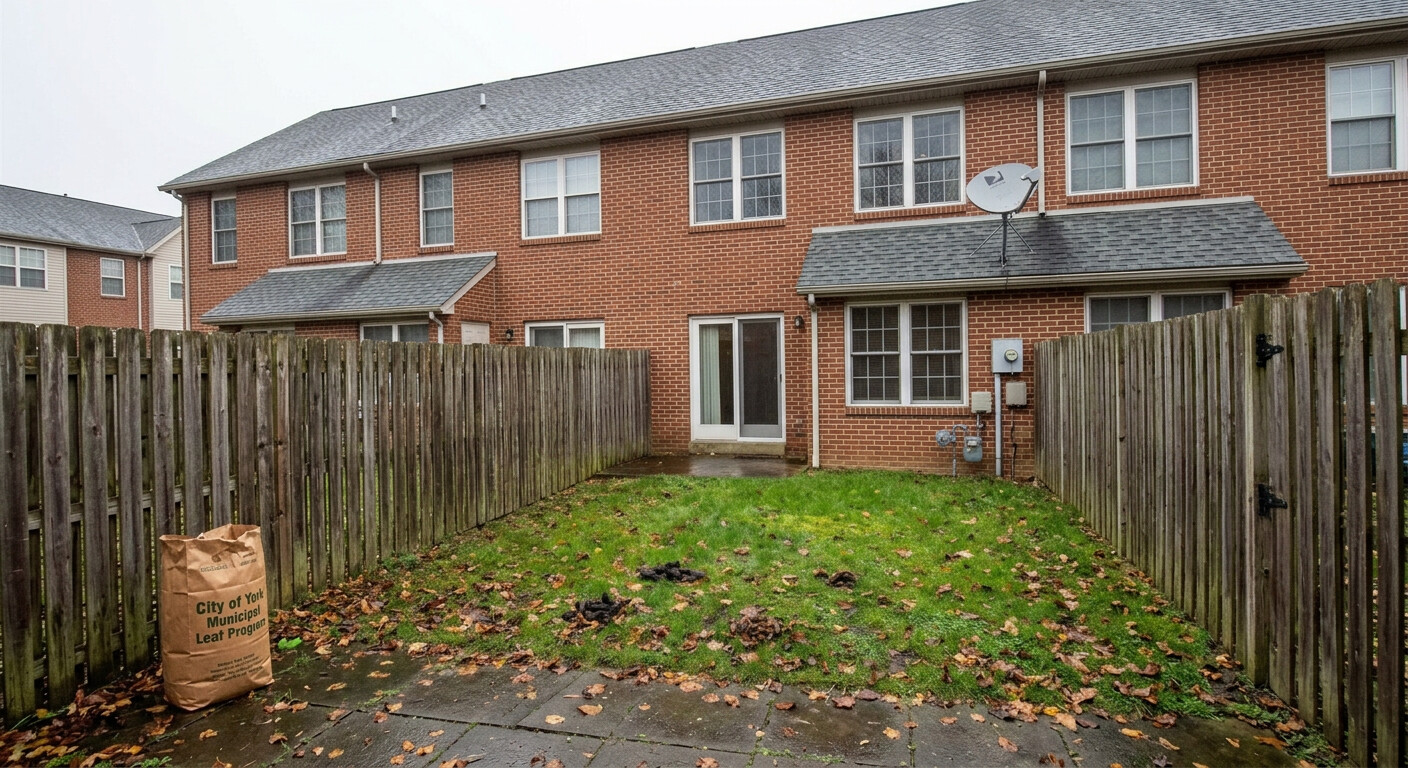
Consistency beats intensity every time. Daily pickups prevent buildup. Proper disposal keeps contaminants out of the environment. And the right tools make the job faster and cleaner. You don't need a complex system — just a routine that sticks.
Here's what that looks like in practice:
- Pick up waste every single day, even if it's just a quick sweep before dinner
- Use sturdy, biodegradable bags that won't rip or leak during transport
- Dispose of waste in designated bins, not compost piles unless your system is specifically designed for pet waste
- Carry bags on every walk and use them, no exceptions
- Consider a dedicated waste station in your yard with a sealed container to minimize odor and pest attraction
When to Bring in Help
If your schedule doesn't allow for daily cleanup, or if you're managing a multi-pet household, professional waste removal services can fill the gap. These teams handle the dirty work on a regular schedule, keeping your property clean without adding to your to-do list.
They're not just for large estates or commercial properties. Plenty of York homeowners use weekly cleanup services to stay on top of waste management without the hassle. The cost is minimal compared to the time saved and the health risks avoided. And if you've ever spent a Saturday morning scooping a week's worth of waste, you know the value of outsourcing.
The Bigger Picture
Pet waste management isn't glamorous. It's not the part of pet ownership anyone looks forward to. But it's non-negotiable if you care about your property, your community, and the environment. York's parks, trails, and waterways are shared resources. Letting waste accumulate — whether in your yard or on public land — degrades those spaces for everyone.
The good news? The fix is straightforward. Daily pickups, proper disposal, and a little accountability go a long way. You don't need expensive equipment or complicated systems. You just need to show up and do the work. Because the alternative — letting waste pile up and hoping it sorts itself out — doesn't work. It never has.
Waste Adds Up Faster Than You Clean It
York's pet population isn't shrinking. Waste volumes aren't dropping. And the environmental and health impacts aren't going away on their own. The question isn't whether waste is building up faster than you expect — it's whether you're willing to adjust your routine to match the reality. Because the problem is solvable. It just requires consistency, the right tools, and a commitment to keeping your corner of York clean. That's not too much to ask.
Let’s Keep York Clean Together
We all want to enjoy a yard and neighborhood free from the mess and risks of pet waste. If you’re ready to reclaim your weekends and protect your green spaces, let’s make it happen. Give us a call at (717) 999-5997 (Scooping Services) and 717-434-5261 (Pet Sitting Services) or schedule your cleanup and we’ll handle the dirty work so you can focus on what matters most.
‹ Back
Recent Posts
-
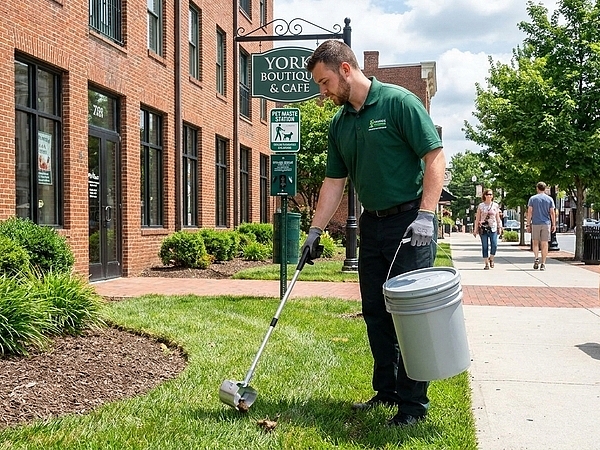
Keeping York Businesses Clean with Commercial Pet Waste Removal
October 13, 2026
-
Heading Out for the Weekend? Pet Sitting in York Can Help
September 29, 2026
-
Need a Dog Walker in York While You're at Work?
September 15, 2026
-
Is Pet Waste in York Making Your Backyard Less Enjoyable?
September 1, 2026
-
Do Businesses Need Commercial Pet Waste Cleanup in York?
August 18, 2026