

By using our website, you agree to the use of cookies as described in our Cookie Policy
Simple Ways to Keep Your Yard Fresh Between Poop Scoop Visits
Most pet owners think yard maintenance is just about waiting for the next service visit. Waste shows up, professionals haul it away, repeat. But your outdoor space doesn't pause between appointments — and if you're not paying attention, you're living with smells and messes you don't have to tolerate. Regular poop scooping haul away visits handle the heavy lifting, but what happens in those gaps matters just as much. Especially if you've got kids running barefoot or neighbors close enough to notice.
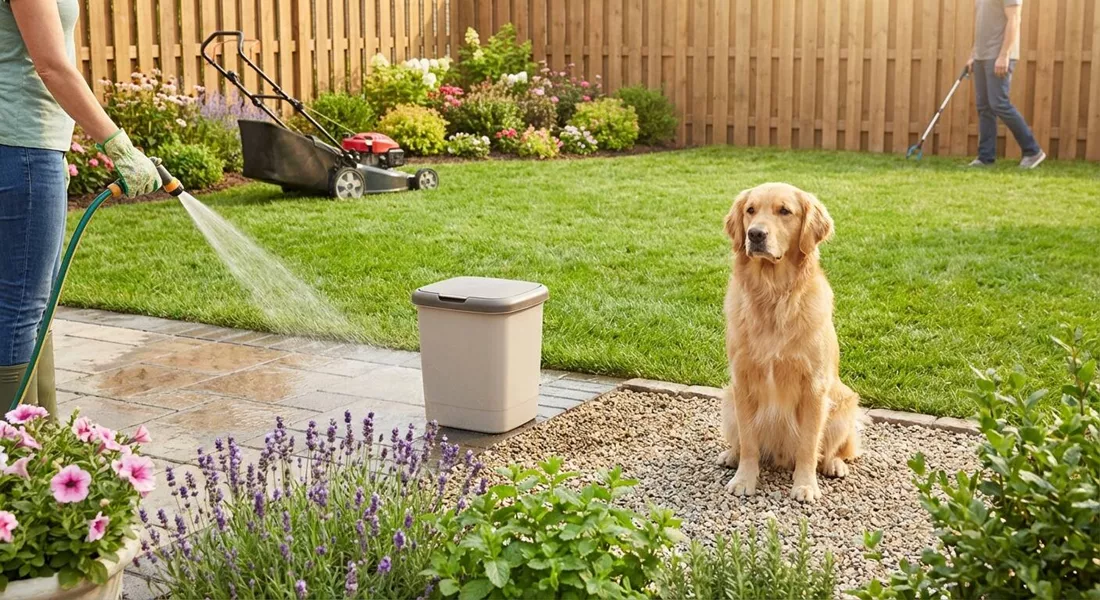
So here's the reality. If you want a yard that actually feels clean, you can't treat those in-between days like downtime. Every mess left sitting is a breeding ground for bacteria. Every high-traffic zone needs attention. And every habit you build now saves you from bigger headaches later — not just for your lawn, but for your nose and your peace of mind.
Walk the Perimeter Every Morning
Waiting a full week between cleanups sounds convenient until your yard starts looking like a minefield. A quick daily sweep takes less time than brewing coffee, and it keeps waste from piling up or getting trampled into the grass. Fresh droppings are easier to spot and faster to remove than anything that's been sitting for days.
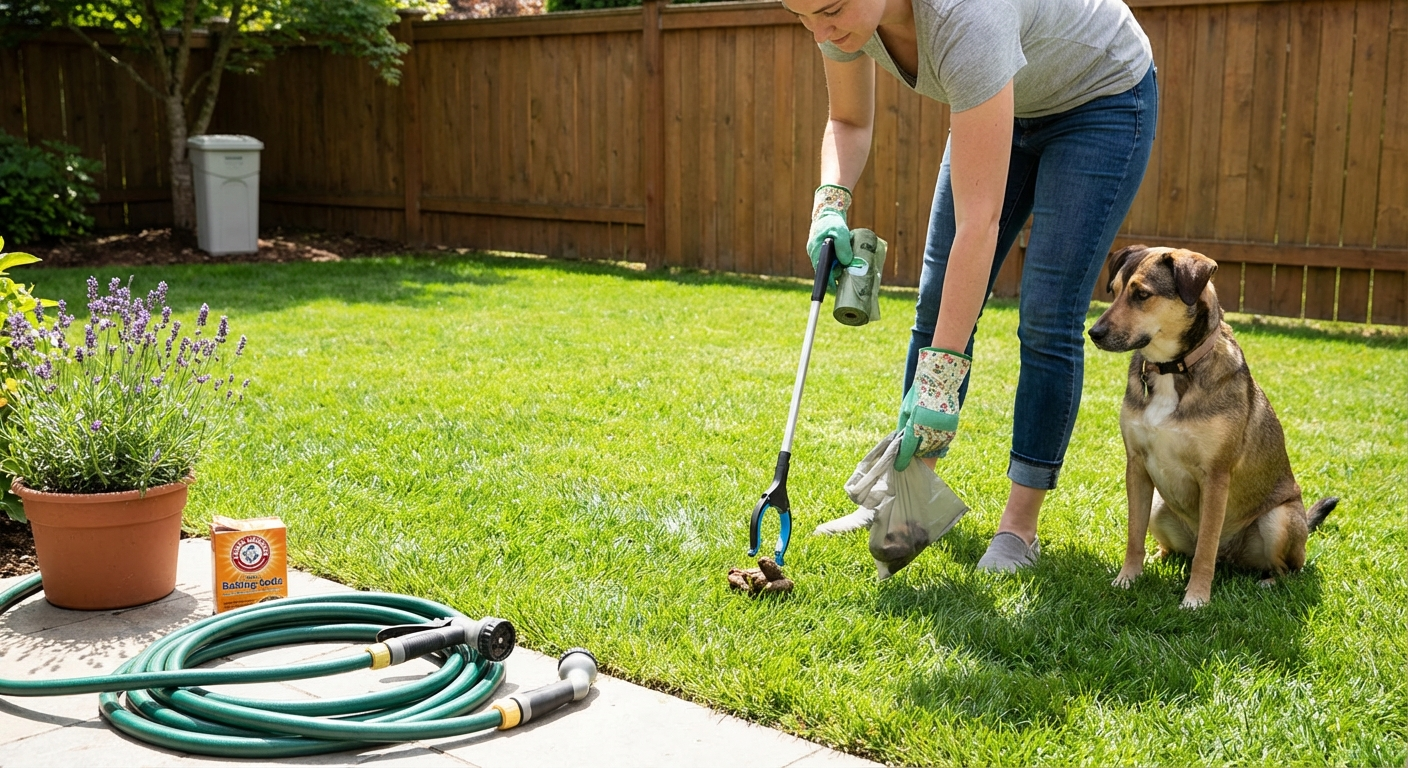
Keep a small grabber tool and a roll of bags near your back door. When you let the dog out in the morning, take thirty seconds to scan the yard. If you see something, grab it. If you don't, you're still building a habit that keeps your space under control. Consistency beats perfection here, and small efforts compound fast.
Hose Down the Hot Spots
Dogs pick favorites. Same corner, same patch of grass, same spot by the fence. Over time, those areas absorb more than you'd think — residue, bacteria, and odors that linger even after the waste is gone. A quick rinse with the hose every few days dilutes what's left behind and keeps those zones from turning into problem areas.
For stubborn smells, mix water with white vinegar or use a pet-safe yard spray. Let it soak in, then rinse again. You're not trying to sterilize the lawn, just reset it enough that it doesn't announce itself every time someone walks by. This works especially well after rain, when moisture reactivates old odors you thought were gone.
Cut the Grass Before It Hides the Evidence
Long grass looks natural until it starts concealing messes you didn't know were there. Keeping your lawn trimmed makes waste easier to spot and removes the cover that lets bacteria thrive. It also cuts down on the number of surprises you step in when you're not paying attention.
Set a mowing schedule that matches your dog's bathroom habits. If you've got a heavy shedder or a yard that sees daily use, weekly cuts make sense. Trim around fences, garden beds, and trees where waste tends to collect. A tidy lawn isn't just cosmetic — it's functional, and it makes every other maintenance task easier.
Deploy Natural Odor Killers
Chemical sprays work, but they're not always necessary. Baking soda absorbs smells without adding anything harsh to your soil. Sprinkle it over problem areas, let it sit for a few hours, then water it in. Garden lime works the same way and neutralizes odors while being safe for pets and plants when applied correctly.
If you want something that does double duty, plant fragrant herbs around the yard. Lavender, mint, and rosemary smell great and help mask lingering odors naturally. They're low-maintenance, they look good, and they give your yard a layer of defense that doesn't require a spray bottle. Plus, they're harder to kill than most people think.
Manage Your Waste Bins Like They Matter
A sealed bin is only as good as what's inside it. If you're tossing waste into a container and forgetting about it, you're creating a smell factory. Rinse your bins weekly with disinfectant or a vinegar solution. Use heavy-duty bags that don't leak, and double-bag if you're dealing with anything particularly ripe.
Location matters too. Keep your waste bin in a shaded spot away from patios, windows, and anywhere people gather. Heat accelerates decomposition and amplifies odors, so the cooler and more isolated the spot, the better. If your bin starts smelling even when it's sealed, it's time for a deeper clean or a replacement.
Train Your Dog to Use One Zone
Containing the mess to a single area makes cleanup faster and keeps the rest of your yard usable. Pick a spot that's easy to access but away from play zones or outdoor furniture. Use treats and positive reinforcement to guide your dog there consistently. It takes a few weeks, but once the habit sticks, you'll spend less time hunting for waste and more time enjoying your yard.
Mark the zone with gravel, mulch, or pavers if you want a visual boundary. This also helps with drainage and keeps the area from turning into a mud pit after rain. The cleaner and more defined the space, the easier it is for your dog to understand where they're supposed to go — and for you to maintain it.
Fix Drainage Issues Before They Multiply
Wet spots don't just make your yard messy — they trap odors and make waste harder to remove. If certain areas stay damp or muddy, add gravel, stepping stones, or mulch to improve drainage. Standing water mixed with pet waste is a recipe for smells that won't quit, no matter how often you clean.
Check your yard after heavy rain to see where water pools. Those are your problem zones. Addressing them now saves you from dealing with compounded issues later. A dry yard is a cleaner yard, and it's a lot more pleasant for everyone who uses it.
Keep Your Pet Clean Too
Sometimes the odor isn't just in the grass — it's on your dog. Dirty paws and matted fur carry bacteria back into the house and spread it around the yard. Wipe your dog's paws after every trip outside, especially in wet or muddy conditions. Regular grooming and baths cut down on the dirt and bacteria they track around.
This isn't about being obsessive. It's about reducing the variables that make your yard harder to maintain. A clean dog means less contamination, fewer odors, and a yard that stays fresher between professional visits. It's a small habit with a big payoff.
Maintenance Beats Damage Control
Keeping your yard fresh between poop scoop visits isn't complicated, but it does require consistency. Daily spot checks, regular rinsing, smart landscaping, and a few natural deodorizers go a long way. You're not trying to replace residential pet services — you're just making sure the work they do actually lasts.
The difference between a yard that smells and one that doesn't often comes down to what happens in those in-between days. If you're dealing with persistent odors that won't go away with basic maintenance, professional odor elimination treatment can address deeper issues. For busy pet owners who need consistent help, weekly poop cleanup in York provides reliable support. Understanding why skipping pet waste removal creates bigger problems helps reinforce the importance of staying on top of maintenance. If you're noticing signs that your current routine isn't cutting it, check out the signs it's time to call a pooper scooper service to see if professional help makes sense. Build the habits now, and you'll spend less time reacting to problems and more time using your outdoor space the way it's meant to be used. Clean, fresh, and ready when you are.
Let’s Keep Your Yard Fresh Together
We all want a yard that feels clean and welcoming, no matter how busy life gets. If you’re ready to enjoy a fresher outdoor space without the hassle, let’s make it happen. Give us a call at (717) 999-5997 (Scooping Services) and 717-434-5261 (Pet Sitting Services) or schedule your cleanup and we’ll handle the dirty work so you can get back to enjoying your yard.
‹ Back
Recent Posts
-
Keeping York Businesses Clean with Commercial Pet Waste Removal
October 13, 2026
-
Heading Out for the Weekend? Pet Sitting in York Can Help
September 29, 2026
-
Need a Dog Walker in York While You're at Work?
September 15, 2026
-
Is Pet Waste in York Making Your Backyard Less Enjoyable?
September 1, 2026
-
Do Businesses Need Commercial Pet Waste Cleanup in York?
August 18, 2026