

By using our website, you agree to the use of cookies as described in our Cookie Policy
Can Pet Waste in York Damage Your Lawn Over Time?
Most pet owners think a little waste in the yard won't hurt anything. Grass grows back, rain washes things away, and besides — you've got a lot more to worry about than the occasional pile left behind. But your lawn doesn't see it that way. And if you're watching dead patches spread across your yard in York, there's a good chance your dog or cat had something to do with it. Pet waste isn't neutral. It's loaded with nitrogen, bacteria, and chemicals that turn healthy grass into scorched earth faster than you'd think.
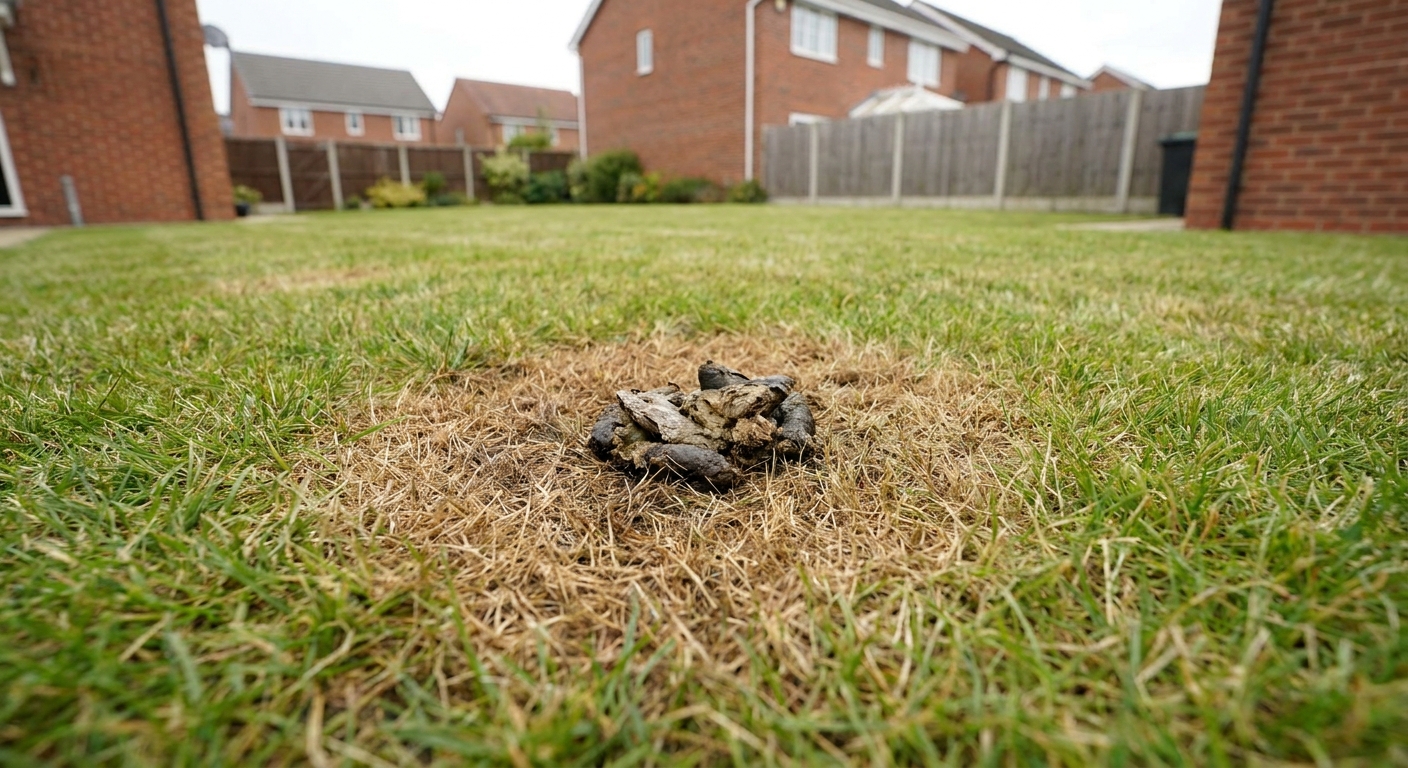
Here's what matters. If you're letting waste sit for days — or weeks — you're not just making your yard look bad. You're building a problem that compounds over time. Every deposit left behind changes the soil, burns the roots, and invites pests that make recovery harder. Clean habits protect your investment. Ignoring the problem guarantees you'll be reseeding, patching, and fighting an uphill battle all season long.
What's Actually in Pet Waste
Dog and cat waste isn't fertilizer. It's not manure. It doesn't belong on your lawn the way composted materials do. The nitrogen load is through the roof — way more concentrated than what grass can handle. Add in phosphorus, bacteria like E. coli and Salmonella, and parasites like roundworms, and you've got a toxic cocktail sitting on your turf.
That nitrogen might sound like plant food, but it's overkill. Too much in one spot doesn't feed the grass — it fries it. The blades yellow out, the roots die back, and what's left is a brown circle that screams neglect. Meanwhile, the bacteria and parasites linger in the soil for weeks, sometimes months. They don't just disappear because you mowed over them.
How Waste Wrecks Your Grass
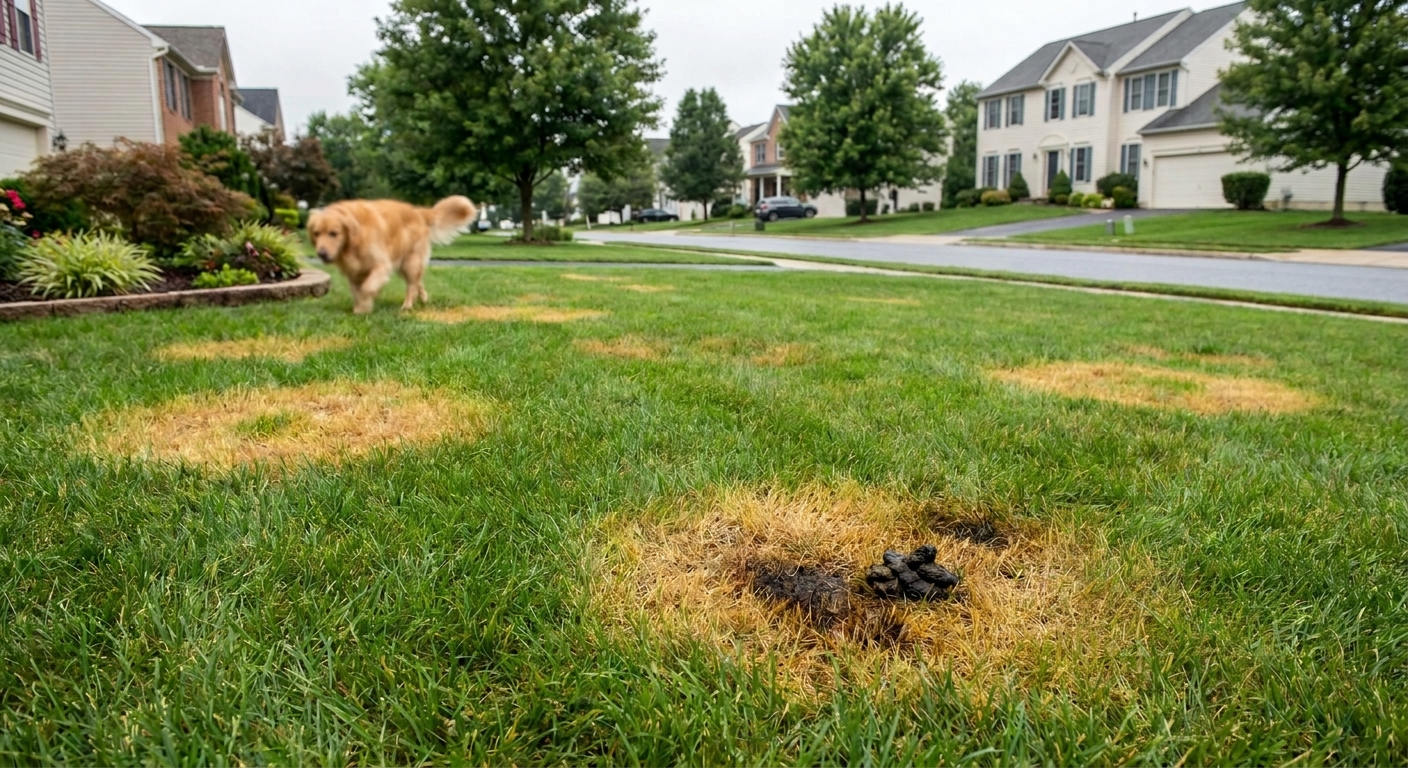
When waste breaks down, it dumps all that nitrogen straight into the soil. The grass can't process it fast enough, so it burns. Chemical damage from the inside out. The longer the waste sits, the worse the burn gets. You'll start seeing spots that won't green up no matter how much you water or fertilize.
Beyond the burn, you're also dealing with contamination. Pathogens seep into the soil and hang around. Kids playing in the yard, other pets rolling in the grass, shoes tracking through the house — it all becomes a vector. Flies show up. Rodents show up. Your yard stops feeling like a safe zone and starts feeling like a problem you can't shake.
Soil compaction is another issue. Waste left in place contributes to hard, dense patches where water can't penetrate and grass can't grow. Over time, the lawn thins out, weeds move in, and recovery becomes a full renovation project instead of a quick fix.
York's Weather Makes It Worse
York's climate doesn't do you any favors. Wet winters mean waste breaks down faster, but it also means bacteria spread wider. Rain carries pathogens across the yard, into low spots, even into your drainage system. Warm summers amplify the nitrogen burn — heat and chemical overload combine to kill grass in days, not weeks.
Lawns here already deal with moss, compaction, and weeds. Toss in regular pet waste, and you're stacking problems that feed off each other. The grass gets weaker, the soil gets worse, and before you know it, you're fighting on multiple fronts.
Steps That Actually Stop the Damage
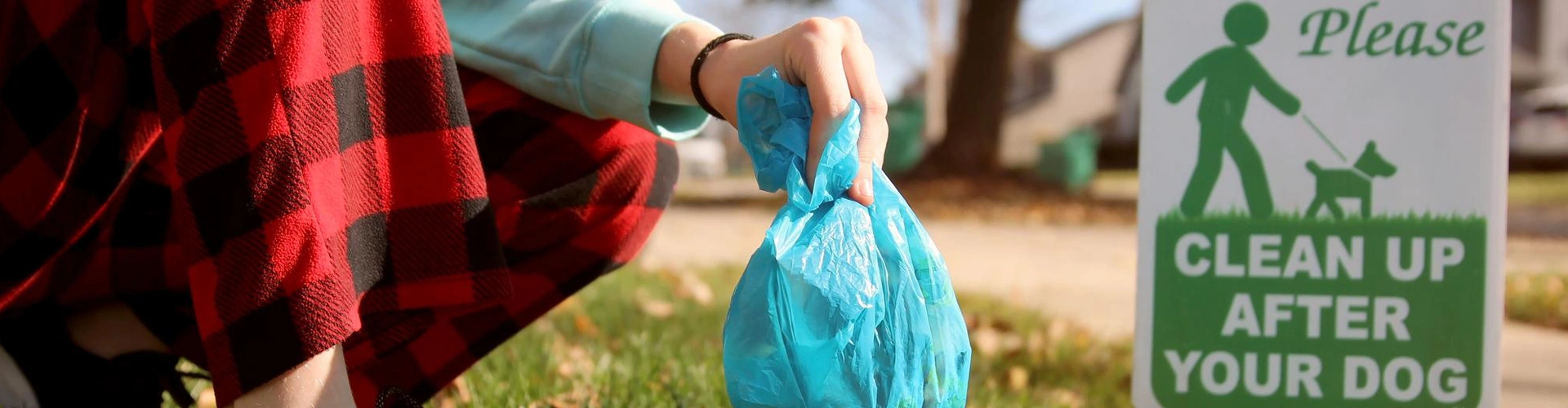
Preventing lawn damage from pet waste isn't complicated, but it does require consistency. You can't let it slide for a week and expect the yard to bounce back on its own. Pick up waste daily, dispose of it properly, and treat your lawn like the investment it is.
- Pick up waste every day, especially in high-traffic pet areas
- Use biodegradable bags and toss waste in the trash or a dedicated pet composter
- Train your pets to use one section of the yard to contain the damage
- Water burned spots immediately to dilute nitrogen and reduce lasting harm
- Aerate and overseed regularly to help grass recover and fill in bare patches
When Cleanup Becomes a Routine
The best defense is a schedule. Daily pickup means you're staying ahead of the problem instead of reacting to dead grass. It's not glamorous work, but it's the difference between a lawn that looks intentional and one that looks neglected. Keep bags by the back door. Make it part of the morning or evening routine. Build the habit before the damage shows up.
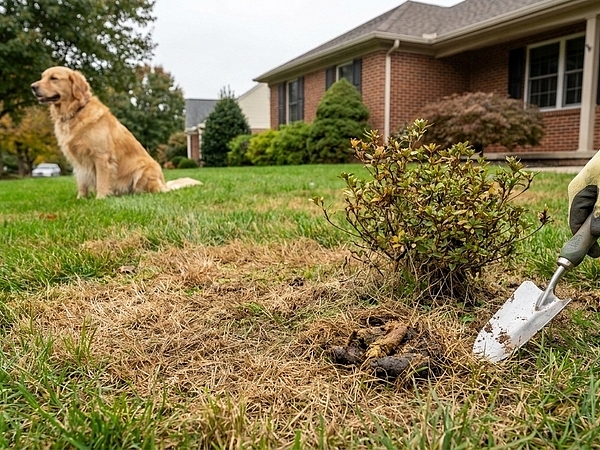
If you've already got dead spots, don't wait. Rake out the dead grass, top with fresh soil, and reseed. Water it in. Give it time. The faster you act, the less permanent the damage becomes. Ignore it, and you're looking at months of patchy growth and weed invasion.
What Proper Disposal Looks Like
Proper disposal matters more than most people think. Tossing waste into the regular compost pile won't kill the pathogens — your compost likely doesn't get hot enough. That means you're just redistributing bacteria and parasites across your garden beds.
- Use a dedicated pet waste composter designed to handle the bacteria load
- Bag waste in biodegradable liners and place in trash pickup
- Never add pet waste to compost used for edible plants
- Avoid flushing waste unless your municipal system explicitly allows it
- Consider a digester system buried in your yard for safe, odor-free breakdown
Lawn Recovery Takes More Than Water
Watering helps, but it's not a cure-all. If the nitrogen burn is deep, you'll need to replace the soil, not just rinse it. Aerating the lawn helps break up compaction and allows water and nutrients to reach the roots. Overseeding fills in gaps before weeds take hold. Fertilizing correctly — not over-applying — keeps grass strong without adding to the nitrogen problem.
If your lawn's already struggling with moss or drainage issues, pet waste accelerates the decline. Address the underlying problems — poor soil, shade, compaction — and the grass will have a fighting chance. Leave them unresolved, and no amount of waste pickup will save your turf.
Common Mistakes That Cost You
Most pet owners underestimate how fast waste damages grass. They think a few days won't matter. It does. They assume rain will take care of it. It won't. They figure picking up once a week is fine. It's not. Every day you skip is another day the nitrogen builds, the bacteria spread, and the grass dies back.
- Leaving waste for days or weeks instead of daily pickup
- Using the wrong disposal method and spreading pathogens
- Ignoring burned spots until they're too large to patch easily
- Over-fertilizing damaged areas and making the nitrogen problem worse
- Skipping aeration and letting soil compaction choke out healthy grass
When to Call for Backup
If your lawn's past the point of easy recovery — if dead patches are spreading, weeds are taking over, or the grass just won't grow back — it's time to bring in a professional. Lawn care specialists can test your soil, recommend treatments, and help you reset the yard without guessing. They'll also tell you if pet waste is the only issue or if something deeper is at play.
Regular maintenance from a pro keeps your lawn ahead of problems instead of reacting to them. Think of it as insurance — you're investing in the long-term health of your yard, not just putting out fires every season.
Protecting What You've Built
Pet waste damages lawns in York because it's concentrated, chemical-heavy, and left unchecked. The fix isn't expensive or complicated — it's consistent. Daily pickup, proper disposal, and proactive lawn care keep your yard looking sharp and your grass growing strong.
You didn't invest in your home to watch the lawn fall apart. Treat your outdoor space with the same care you give the inside, and it'll reward you with curb appeal, usability, and zero regrets. The work is small. The payoff is visible every time you step outside.
Let’s Keep Your York Lawn at Its Best
We all want a yard that’s safe, green, and ready for every backyard moment. If you’re tired of fighting dead spots and want a lawn that thrives, let’s tackle the cleanup together. Give us a call at (717) 999-5997 (Scooping Services) and 717-434-5261 (Pet Sitting Services) to talk about your needs, or schedule your cleanup and see how easy it is to protect your investment for good.
‹ Back
Recent Posts
-
Hidden Pet Waste Could Be Hurting Your Lawn
October 27, 2026
-
Keeping York Businesses Clean with Commercial Pet Waste Removal
October 13, 2026
-
Heading Out for the Weekend? Pet Sitting in York Can Help
September 29, 2026
-

Need a Dog Walker in York While You're at Work?
September 15, 2026
-
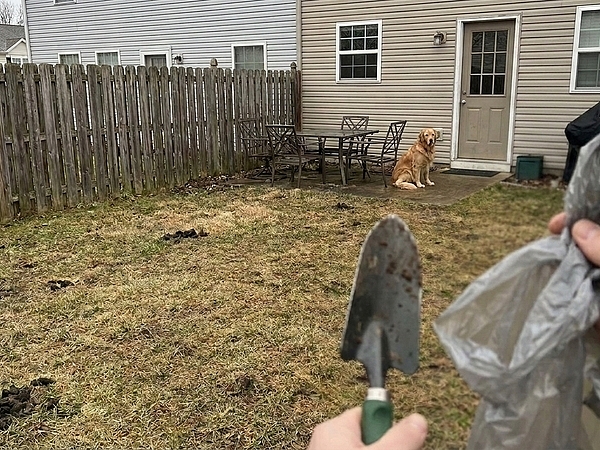
Is Pet Waste in York Making Your Backyard Less Enjoyable?
September 1, 2026