

By using our website, you agree to the use of cookies as described in our Cookie Policy
Is Your Yard in York Starting to Smell?
Most homeowners think yard odors are just part of summer. Grass clippings, rain, maybe a stray animal. But when the smell doesn't fade—and it keeps getting worse—you're not dealing with weather. You're dealing with a source that needs fixing. Ignoring it won't help. Your neighbors notice. Your kids complain. And if it's tied to drainage or septic issues, you're looking at more than just embarrassment.
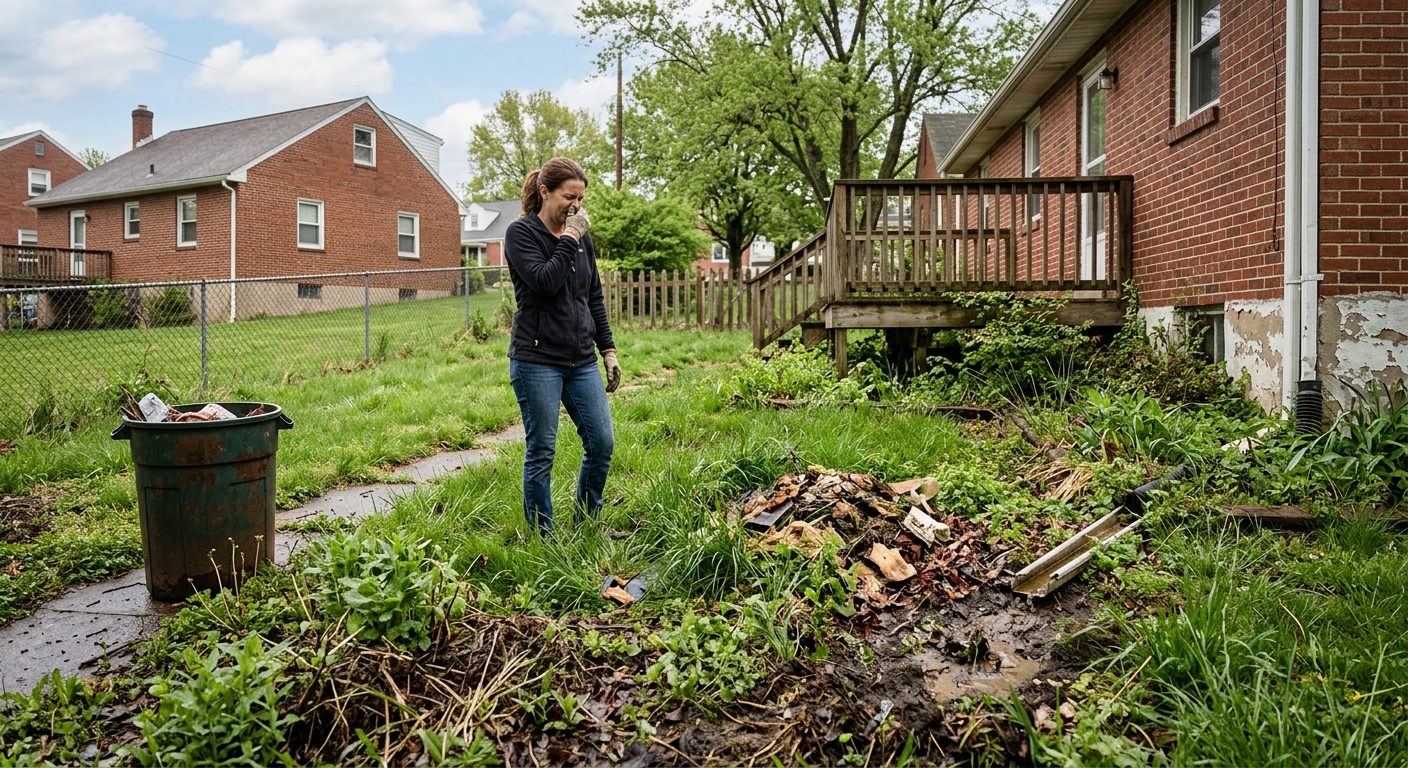
Here's the truth. Every bad smell has a cause, and most of them are fixable without tearing up your entire lawn. But you've got to move fast. The longer the odor sits, the harder it is to trace. And the harder it is to eliminate without professional help or serious elbow grease.
What Usually Causes the Stink
We've seen yards smell for all kinds of reasons. Some obvious, some hidden under mulch or pooling water. The key is understanding what you're dealing with before you start spraying air freshener on grass like that's going to solve anything.
Most odor problems come down to organic breakdown, moisture, or waste. Sometimes all three at once. Here's where to look first:
- Pet waste piling up: Dogs and cats leave deposits that ferment in Pennsylvania's heat and humidity, especially if you're not picking them up daily.
- Standing water zones: Poor grading or clogged drains create pockets where bacteria thrive and smells multiply.
- Compost gone wrong: If your pile is too wet or packed too tight, it'll stink like rotting garbage instead of healthy soil.
- Leaf and clipping buildup: Decomposing plant matter releases sulfur compounds and ammonia as it breaks down in wet conditions.
- Septic or sewer leaks: Underground failures can vent gases straight into your yard, and that's not something you want to ignore.
- Dead animals: Rodents, birds, or other critters sometimes die in hidden spots and create a powerful stench as they decay.
Track It Down Before You Fix It
You can't solve a smell you haven't located. Walk the perimeter. Follow your nose. Mark the spots where it's strongest. Look for soft ground, discolored grass, or areas that stay damp longer than they should.
If the odor is concentrated near your foundation or drain lines, you might be dealing with plumbing. Septic systems don't always announce their failures with obvious signs, but slow drains, wet patches, or unusually lush grass near the tank are all red flags worth investigating.
How to Knock Out the Problem
Once you know where it's coming from, you can target the fix. Don't just mask it with sprays or hope it fades. Address the root cause or you'll be back here in two weeks wondering why it still reeks.
Here's what works for the most common culprits:
- Pick up waste immediately: Daily cleanup prevents buildup. Use enzyme-based cleaners to break down residue and neutralize lingering odors in grass.
- Fix drainage problems: Install French drains, aerate compacted soil, or adjust grading so water flows away from problem zones.
- Manage your compost properly: Turn it weekly, keep it moist but not soggy, and layer green and brown materials to maintain airflow.
- Clear organic debris: Rake leaves and clippings before they mat down. Bag them or compost them correctly—don't let them rot in place.
- Call a plumber for sewer issues: If you suspect underground leaks or septic failure, professionals need to inspect and repair before it escalates.
- Locate and remove dead animals: Check under decks, in crawl spaces, and behind shrubs. Use gloves and dispose of carcasses according to York County regulations.
Stop It from Coming Back
Prevention isn't glamorous, but it's the only way to keep your yard from turning into a smell zone again. Regular maintenance beats emergency fixes every time. Mow consistently. Rake before leaves pile up. Clean up after pets without exception.
Make sure your yard drains properly after storms—York gets plenty of rain throughout the year. Avoid overwatering flower beds or compost piles. And if you've had septic or plumbing work done, schedule inspections every few years to catch problems before they surface—literally.
When to Bring in Backup
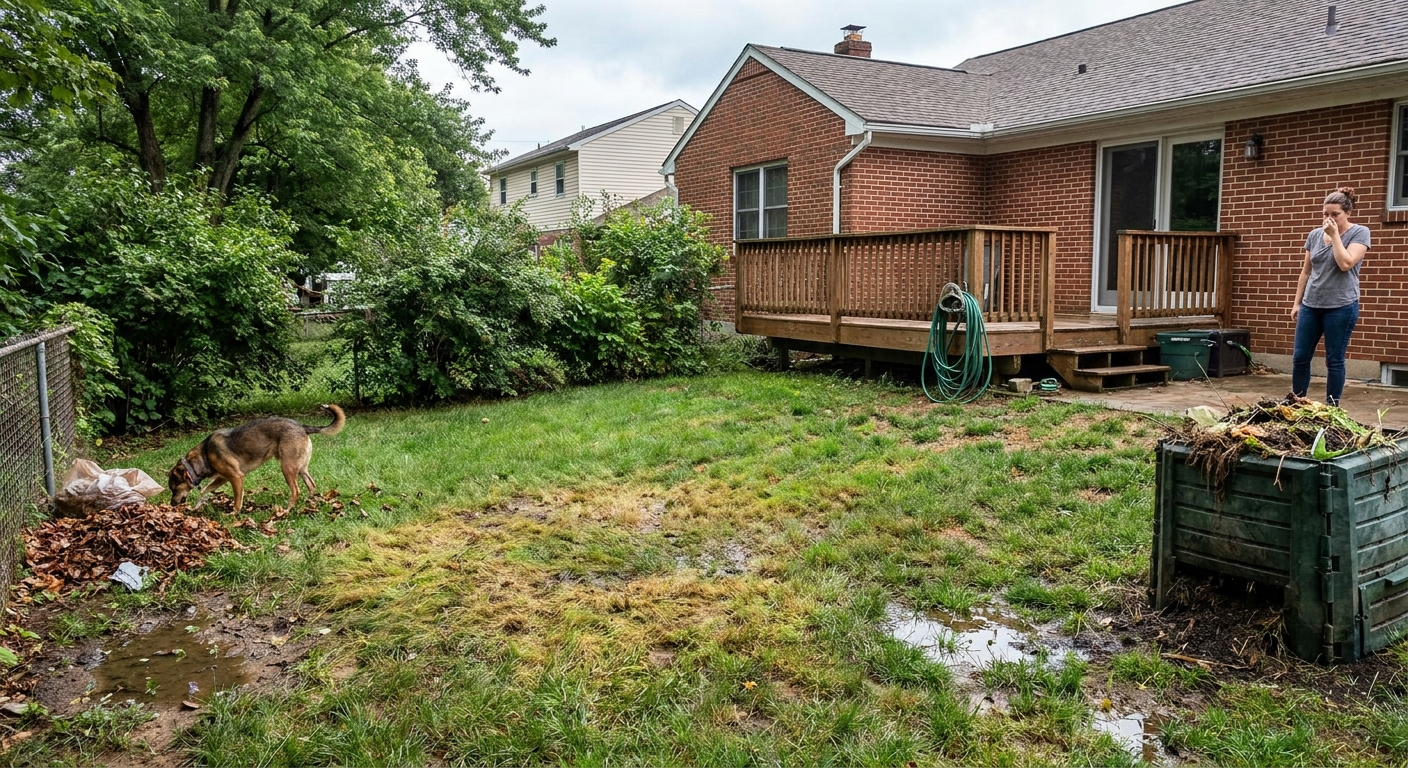
Some problems are beyond DIY. If the smell persists after you've cleaned, drained, and composted correctly, you're likely dealing with something structural. Septic failures, broken sewer laterals, or underground decay require professionals with the right tools and experience.
Here's when to make the call:
- The odor returns no matter what you do: Persistent smells mean there's a source you haven't found or can't access.
- You notice plumbing issues indoors: Slow drains, gurgling toilets, or backups point to a system-wide problem.
- Grass is dying or growing abnormally: Sewage or chemical leaks can kill vegetation or cause unnatural growth patterns.
- There's visible wastewater pooling: That's a health hazard and needs immediate professional attention.
- You can't locate the source: Sometimes the smell is diffuse or coming from underground. Experts have equipment to pinpoint it.
Documentation Protects You Later
If you're dealing with septic or sewer repairs, document everything. Take photos of problem areas. Keep receipts from plumbers or waste removal services. If your yard odor turns out to be a municipal sewer issue or a neighbor's failing system, you'll need proof of when you first noticed it and what steps you took.
This isn't paranoia. It's protecting your property value and ensuring you're not stuck paying for someone else's neglect or a city line that cracked under your lawn.
Fresh Air Starts with Smart Moves
Your yard in York doesn't have to smell. But fixing it takes more than hope and a garden hose. Identify the source, take decisive action, and build habits that prevent it from creeping back. Whether it's pet waste, drainage, or something deeper, the solution exists—you just have to be willing to dig in and handle it right. Professional poop scooping services can eliminate recurring odors before they become a neighborhood issue, while odor elimination treatment targets deep-set smells that standard cleanup can't touch. For dog owners struggling to stay on top of regular yard maintenance, weekly cleanup services offer consistent relief without the daily hassle. When the problem is clearly tied to persistent pet odors, calling in experts who understand the chemistry of waste breakdown makes all the difference.
Breathe Easy in Your Backyard Again
We all deserve a yard that smells as fresh as it looks. If you've tried everything and those stubborn odors just won't quit, it's time to let professionals handle the dirty work. Let's restore your outdoor space so you can enjoy it without worry—reach out to us at (717) 999-5997 (Scooping Services) and 717-434-5261 (Pet Sitting Services) or schedule your cleanup and reclaim the comfort of your home today.
‹ Back
Recent Posts
-

Need a Dog Walker in York While You're at Work?
September 15, 2026
-
Is Pet Waste in York Making Your Backyard Less Enjoyable?
September 1, 2026
-
Do Businesses Need Commercial Pet Waste Cleanup in York?
August 18, 2026
-
Is Pet Waste in York Creating a Mess After Rain?
August 4, 2026
-
Can Pet Sitting in York Keep Pets Calmer at Home?
July 21, 2026