
By using our website, you agree to the use of cookies as described in our Cookie Policy
Is Pet Waste in York Creating a Mess After Rain?
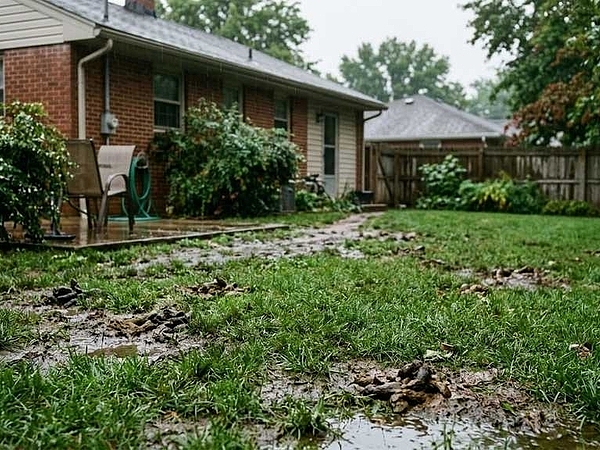
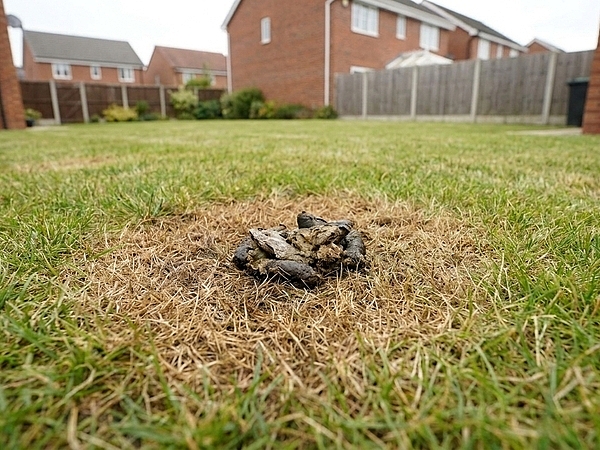
Most pet owners think picking up is just about keeping sidewalks clean. Bag it, toss it, move on. But the aftermath of a rainstorm tells a different story — and if you're not paying attention, you're contributing to a problem that's bigger than a soggy lawn. Pet waste doesn't just sit there. It spreads. It seeps. It shows up in places you wouldn't expect, doing damage that lasts well beyond the puddles.
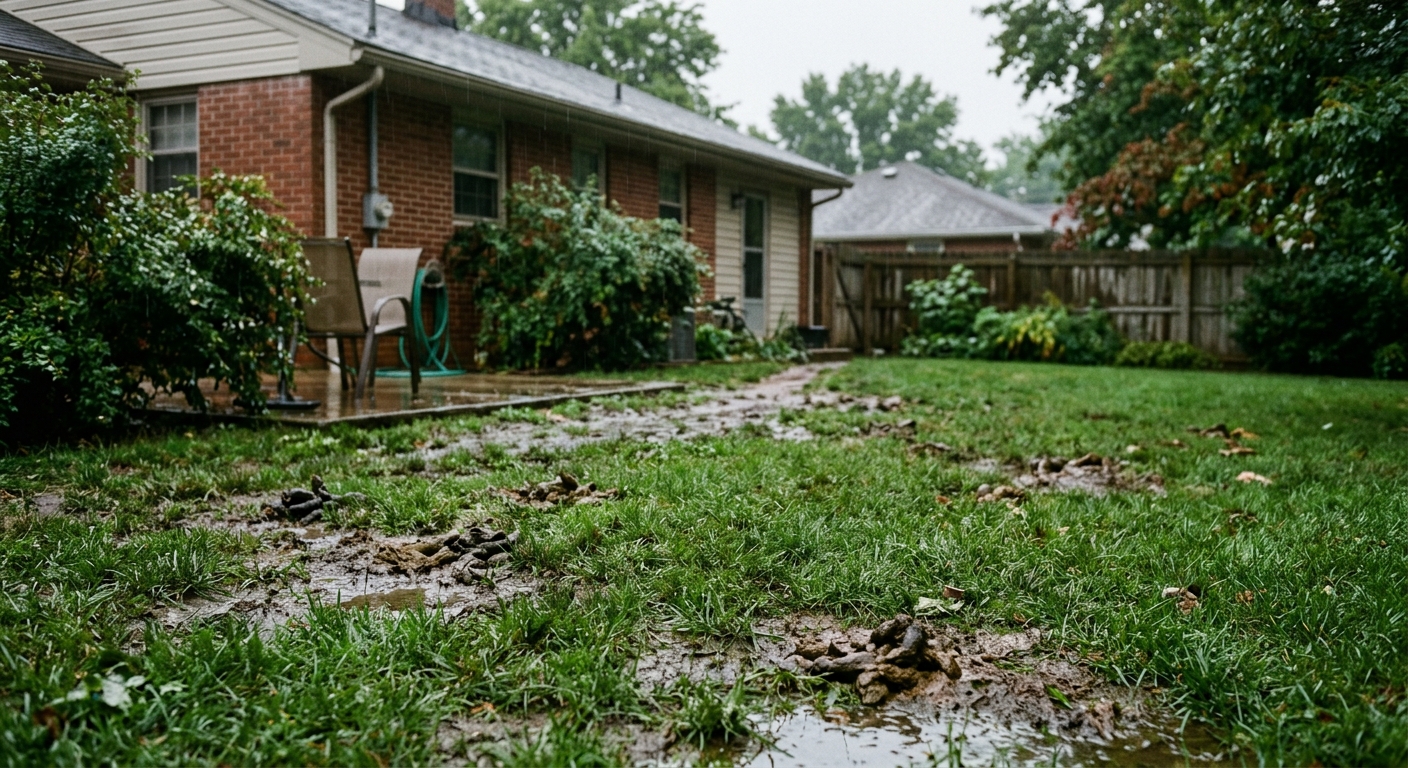
Here's the reality. If you own a dog in York, that waste is your responsibility — rain or shine. Every pile left behind becomes a health hazard when the skies open up. Every uncollected mess feeds into a system that wasn't built to handle it. And every excuse about forgetting a bag or being in a hurry adds up to a citywide problem that's starting to smell like neglect.
When Rain Becomes a Delivery System
Most days, pet waste just sits where it lands. Unpleasant, sure — but contained. Then the rain comes. Suddenly that waste isn't static anymore. It dissolves, it runs, it hitches a ride straight into storm drains and waterways. The Codorus Creek and Susquehanna River don't care how charming your dog is. They're absorbing bacteria, parasites, and nutrients that have no business being there.
And here's the thing — this isn't a one-time flush. Every storm compounds the issue. Every downpour carries more E. coli, more roundworm eggs, more phosphorus into the water supply. We've seen algae blooms choke out oxygen in ponds across the region. Fish die. Ecosystems tilt. And it all starts with waste that someone didn't bother to pick up.
The Bacteria Load Nobody Talks About
Pet waste isn't compost. It's not fertilizer. It's a biohazard wrapped in fur and good intentions. A single gram of dog feces can contain up to 23 million fecal coliform bacteria. That's not a typo. And when rain washes it into parks, playgrounds, and walking paths, that bacterial load spreads faster than most people realize.
Kids playing. Joggers cutting through grass. Other dogs sniffing around. They're all at risk. Salmonella, campylobacter, giardia — these aren't abstract threats. They're real infections that spike in areas where waste management is lax. And after a heavy rain? The exposure zones multiply. What was confined to one corner of the park is now coating footpaths and seeping into soil across the green.
Why the Cleanup Matters More Than You Think
We hear it all the time. "It's natural. It'll break down." That's not how this works. Dog waste takes months to decompose naturally, and during that time, it's leaching toxins. Rain accelerates the spread, but it doesn't neutralize the harm. If anything, it amplifies it.
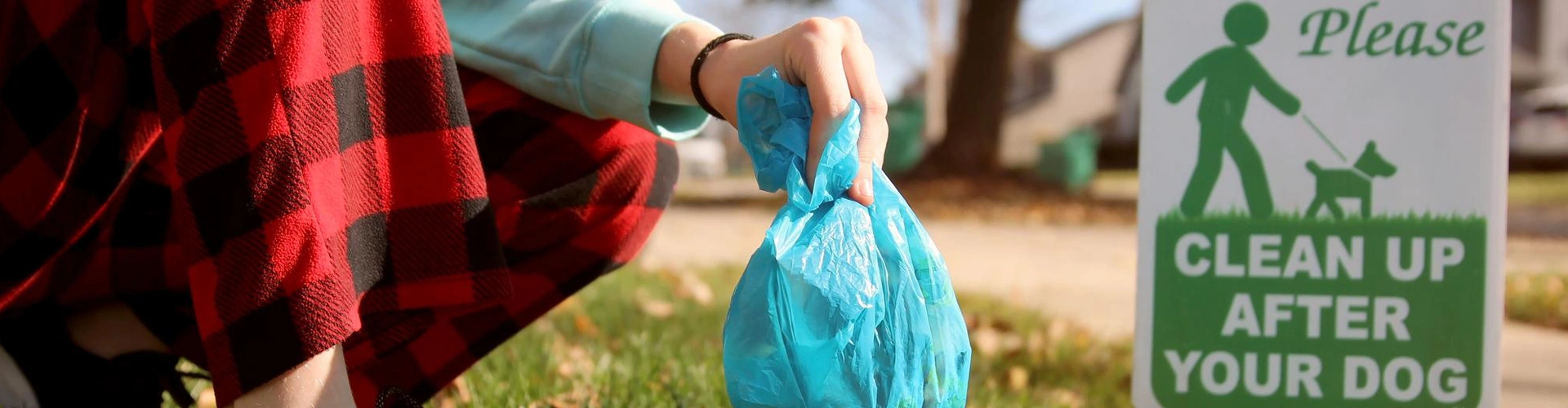
Proper disposal isn't complicated. You need a bag, a bin, and about thirty seconds. But the impact of skipping pet waste removal lingers. Here's what happens when waste gets left behind:
- Bacteria infiltrate water sources, making them unsafe for drinking, swimming, or fishing
- Nitrogen and phosphorus overload rivers, triggering algae growth that suffocates aquatic life
- Parasites like hookworms and roundworms embed in soil, where they can survive for years
- Odor and visual blight drive residents away from public spaces they used to enjoy
- Local authorities receive complaint spikes, draining resources better spent elsewhere
York's Green Spaces Are Taking the Hit
The parks that make York special? They're starting to show wear. Not from overuse — from neglect. Rocky Ridge County Park, John Rudy County Park, the Rail Trail — these are community assets. But when waste piles up and rain spreads it around, the appeal fades fast. Families stop visiting. Tourists notice. And the care that used to define these spaces gets replaced with frustration.
We've seen this pattern before. A few careless owners create a mess. That mess becomes normalized. And before long, the standard slips. If you think it's not your problem because you pick up most of the time, think again. Consistency is what keeps York neighborhoods clean. Anything less just feeds the cycle.
What the Data Shows
York County officials report that waste-related complaints surge after every rainfall event. Storm drains clog with organic matter. Walkways turn slick with runoff. Water quality tests flag elevated bacteria levels downstream from residential areas. This isn't speculation — it's measurable decline.
And the health risks aren't theoretical either. Local health departments track upticks in gastrointestinal infections during wet months in areas with high pet density. Correlation doesn't always mean causation, but when the pattern repeats year after year, ignoring it becomes reckless. The mess left behind isn't just unsightly. It's making people sick.
Enforcement Is Patchy, Responsibility Isn't
York has pet waste ordinances on the books. Fines can reach several hundred dollars for violations. But enforcement is inconsistent, and relying on penalties alone won't fix the issue. What we need is a shift in mindset — from viewing cleanup as a chore to recognizing it as a baseline expectation of ownership.
That means carrying bags every single time. It means doubling back if you run out. It means not pretending you didn't see your dog squat behind a bush. The tools are there. The infrastructure exists. What's missing is follow-through. And when the rain hits, that gap becomes glaringly obvious.
Simple Fixes That Work
We don't need a task force or a decade-long study. The solutions are straightforward. More bins in high-traffic areas. Better signage near parks. Educational campaigns that don't sugarcoat the consequences. And a community culture that calls out laziness when it sees it.
Here's what actually moves the needle:
- Biodegradable bags stocked at park entrances for those who forget
- Clearly marked waste bins within reasonable distance of every green space
- Regular collection schedules that prevent overflow
- Visible enforcement, even if it's just officers making rounds
- Peer accountability — polite reminders from fellow dog owners go further than threats
The Cost of Doing Nothing
Ignoring this problem doesn't make it go away. It compounds. Water treatment costs rise as contamination increases. Park maintenance budgets stretch to cover cleanup. Public health services deal with preventable infections. And the city's reputation takes a hit — both with residents who expect better and visitors who notice the mess.
We've seen other Pennsylvania communities let this slide. The result isn't subtle. Green spaces empty out. Complaints turn into boycotts. And what used to be a minor nuisance becomes a defining flaw. York doesn't have to follow that path. But avoiding it requires action, not excuses.
Where We Go From Here
The rain isn't stopping. Pet ownership isn't declining. And the mess won't clean itself. Every dog owner in York has a choice — contribute to the problem or be part of the solution. That choice gets made every single walk, every single time.
So here's the standard we hold ourselves to: no waste left behind, no matter the weather. Bag it, bin it, and don't look for loopholes. The city we live in reflects the care we put into it. And right now, after every storm, that reflection is showing cracks. Let's fix it before the damage becomes permanent.
Tools to Make It Easier
Nobody's asking for perfection. Just consistency. And the barrier to entry is lower than most people realize. A roll of bags costs pennies. Dispensers clip to any leash. Waste bins are marked and mapped. The infrastructure exists — using it is the only missing piece.
Here's what every responsible owner should have on hand:
- Biodegradable or compostable waste bags — planet-friendly and functional
- A leash-mounted dispenser so you're never caught without supplies
- A mental map of bin locations along your usual routes
- A backup stash in your car, bag, or coat pocket
- The willingness to pick up even when it's raining, muddy, or inconvenient
York Deserves Better Than This
We live in a city with historic character and growing neighborhoods. From downtown to the suburbs, from Heritage Rail Trail to neighborhood sidewalks — these aren't just places we pass through. They're home. And when waste piles up after a storm, it's not just an eyesore. It's a signal that we've stopped caring about the details that make this place worth protecting.
The fixes are simple. The responsibility is clear. And the consequences of inaction are already visible. Every rainstorm is a test. Every pile left behind is a failure. And every dog owner who steps up makes York a little cleaner, a little safer, and a little more like the city we claim to love.
Additional Steps the City Can Take
Individual responsibility is critical, but systemic support matters too. York County and local municipalities have the tools to make compliance easier and enforcement more effective. Expanding bin placement, increasing collection frequency, and launching targeted awareness campaigns all make a difference. So does visible monitoring — not to punish, but to remind.
Communities that tackle this issue head-on see results. Cleaner parks. Fewer complaints. Healthier waterways. It's not about shaming pet owners. It's about building a culture where cleanup is automatic, expected, and non-negotiable. And it starts with infrastructure that supports good behavior rather than hoping for it.
What Success Looks Like
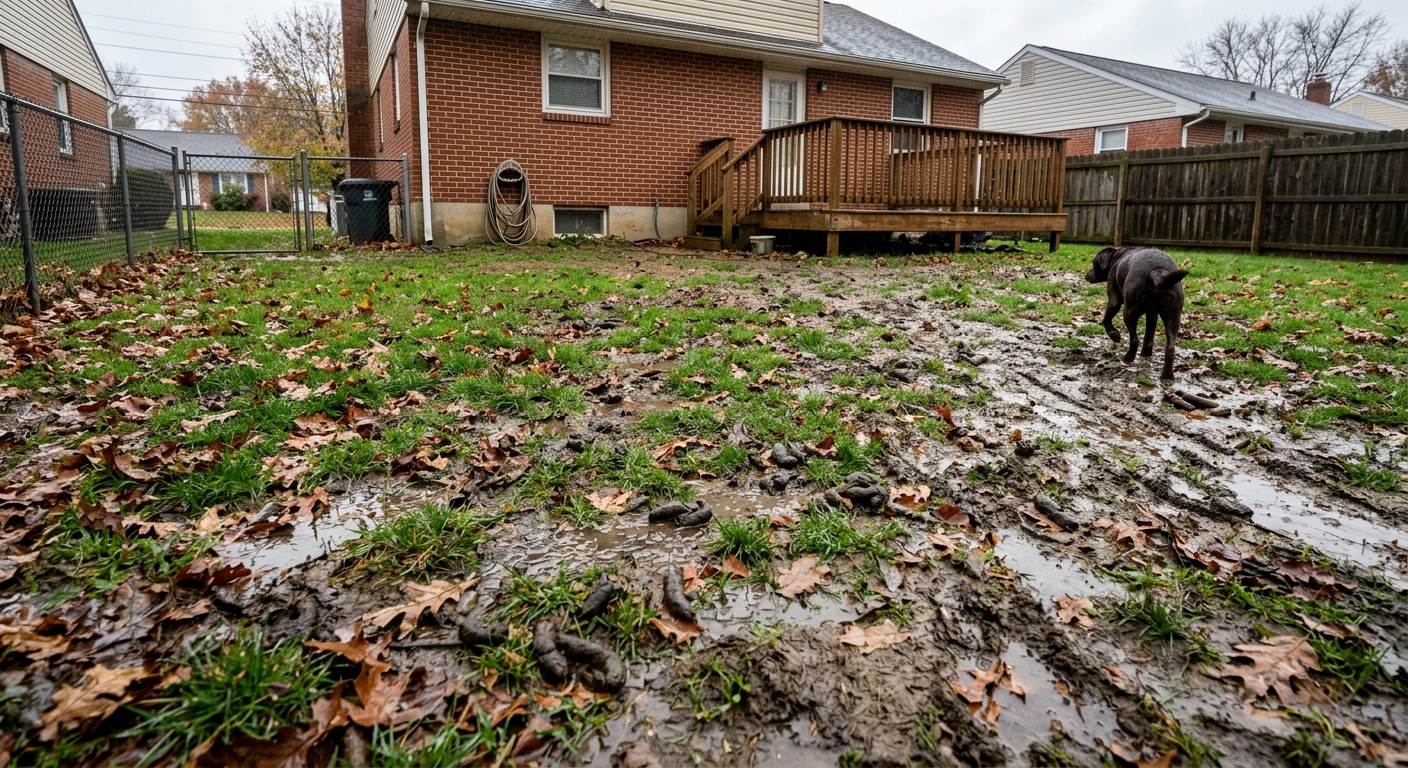
Picture York after a rainstorm — walkways clear, parks clean, rivers unpolluted. No stench, no complaints, no bacterial spikes. That's not wishful thinking. It's the result of consistent action from every dog owner, every day. And it's achievable if we stop treating waste disposal as optional.
The mess after rain isn't inevitable. It's a choice. And every time you pick up, you're choosing a cleaner, healthier York. Every time you don't, you're choosing the opposite. The storm will come. The question is what it leaves behind.
Final Breakdown
Pet waste in York is creating a mess after rain — there's no debate. The evidence is in the waterways, the complaint logs, the infection rates, and the smell that lingers long after the puddles dry. But the solution isn't complicated. It's consistency. It's accountability. And it's a collective decision to stop accepting mess as the cost of pet ownership.
Professional poop scooping and haul away services help York residents maintain clean yards year-round, especially during rainy seasons when pet waste removal keeps yards clean and prevents runoff contamination. For those who need consistent support, weekly poop cleanup in York works effectively for busy schedules, and knowing how often to schedule scooping can make all the difference in preventing rain-related messes.
Let's Keep York Clean Together
We all want to enjoy York's parks and neighborhoods without worrying about the mess left behind after every rainfall. If you're ready to make a real difference and keep your property spotless, let's work together. Give us a call at 717-999-5997 or schedule your cleanup today—we're here to help you protect the spaces we all love.
‹ Back
Recent Posts
-
Is Pet Waste in York Creating a Mess After Rain?
August 4, 2026
-
Can Pet Sitting in York Keep Pets Calmer at Home?
July 21, 2026
-
Do Pet Owners in York Need Midday Dog Walking?
July 7, 2026
-
Is Your Yard in York Starting to Smell?
June 23, 2026
-
Can Pet Waste in York Damage Your Lawn Over Time?
June 9, 2026