
By using our website, you agree to the use of cookies as described in our Cookie Policy
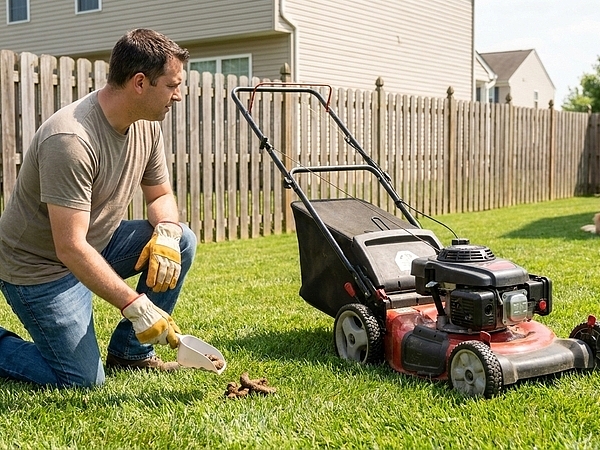
Should You Clean Up Dog Waste in York Before Mowing the Lawn?
Most dog owners think yard maintenance is straightforward. Mow the grass, water when it's dry, maybe rake some leaves. But when you've got a dog, there's another layer to it — one that can wreck your lawn, damage your equipment, and create problems you won't see coming until they're already there. Dog waste isn't just unsightly. It's acidic, pathogen-loaded, and persistent. And if you're running a mower blade through it, you're spreading more than grass clippings.
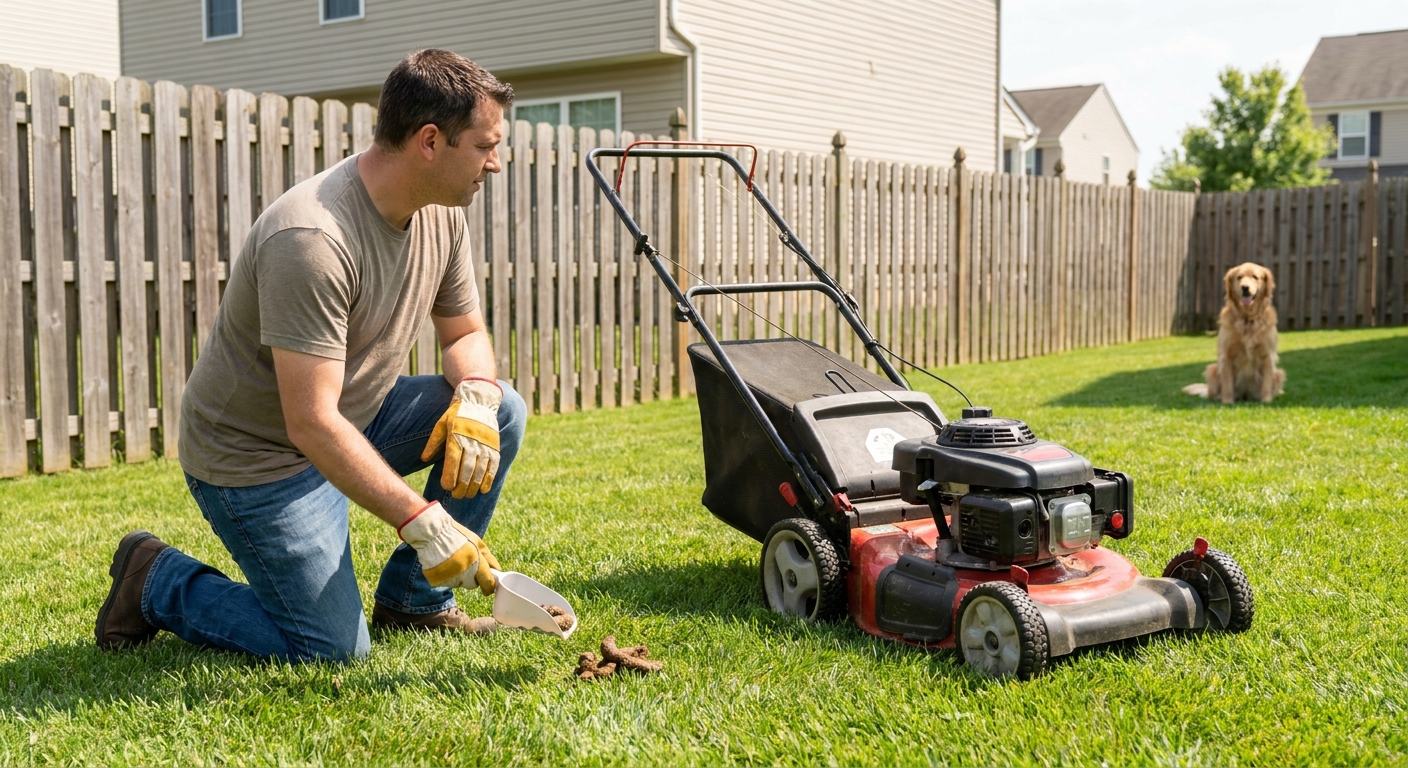
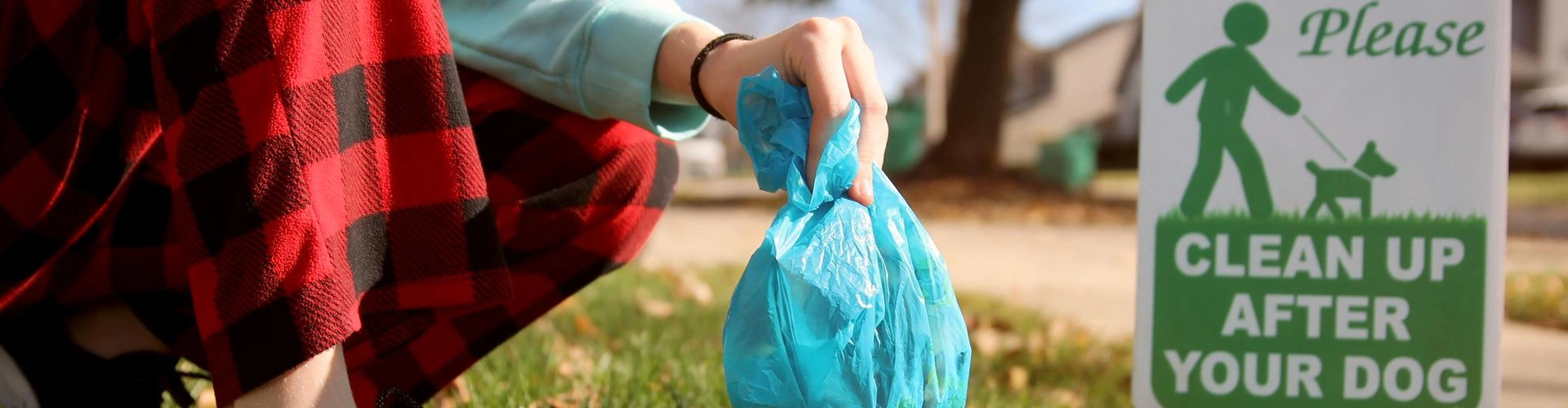
So here's the reality. If you want a lawn that doesn't look like a patchwork of dead zones, and you'd rather not spend your afternoons scraping waste out of your mower deck, you clean up first. Every time. No shortcuts. The few minutes it takes to walk the yard with a bag pays off in ways that go beyond cosmetics — it's about protecting what you've invested in, from the grass to the gear to the people who use that space.
What Dog Waste Does to Grass
Dog waste kills grass. Not slowly, not subtly — it burns it. The nitrogen concentration is too high, the acidity too intense, and unlike livestock manure that's been aged and composted, fresh dog waste doesn't nourish soil. It scorches it. Those brown circles you see? That's not drought. That's chemical burn from waste sitting too long in one spot.
And it doesn't decompose fast. Even in York's wetter climate, dog waste can sit for weeks before breaking down. During that time, it's leaching bacteria into the soil, disrupting microbial balance, and creating an environment where healthy grass struggles to grow. If you mow over it, you're pulverizing waste and distributing it across the entire lawn. That means more dead patches, more contamination, and a yard that looks worse every season.
The Health Risks Aren't Theoretical
Dog feces carry pathogens. E. coli, Salmonella, Giardia, roundworms, hookworms — these aren't rare. They're common. And when you mow over waste, you aerosolize particles. That means bacteria and parasite eggs can become airborne or cling to your shoes, your mower, your clothes. Anyone who walks on that lawn afterward is exposed.
Kids are the most vulnerable. They play on the grass, sit on it, sometimes put their hands in their mouths without thinking. But adults aren't immune either. Gardening, entertaining, even just walking barefoot — all of it becomes a risk when waste isn't managed. And if you've got other pets, they're picking up those parasites too. It's not paranoia. It's microbiology.
Your Mower Wasn't Built for This
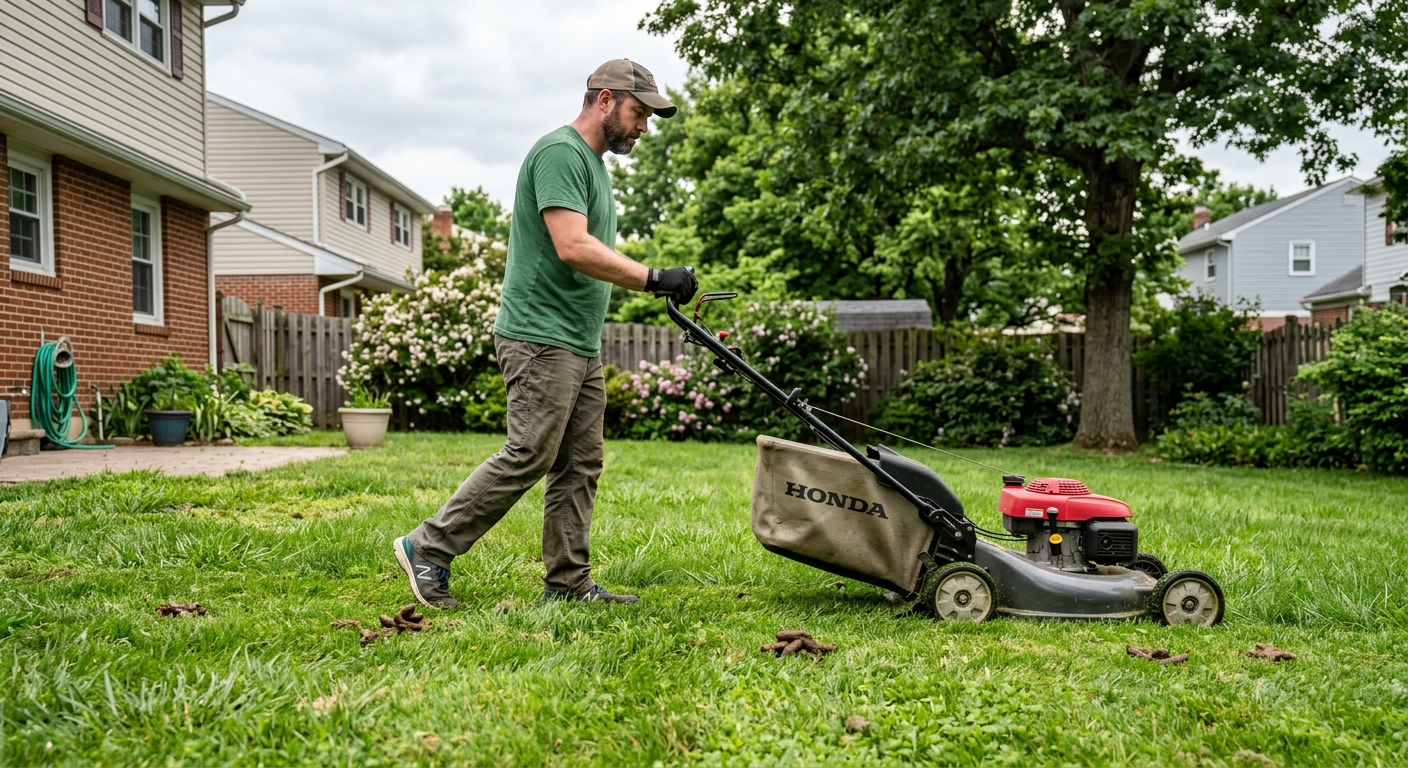
Mowing over dog waste doesn't just smell bad. It gums up your blades, clogs your deck, and accelerates corrosion. Waste gets into every crevice, and once it's baked on by heat and friction, it's a nightmare to remove. Some owners hose it off. Some scrape it. Most just deal with the lingering odor and hope it fades.
But the real cost is mechanical. Corrosion weakens metal. Clogs reduce airflow and cutting efficiency. And if you're using a mulching mower, you're choking the system with organic matter it was never designed to process. Equipment that should last a decade starts wearing out in half that time. All because waste wasn't picked up before the blades started spinning.
York's Water Quality Depends on It
Dog waste doesn't stay on your lawn. Rain moves it. Runoff carries it into storm drains, and from there it flows into rivers and streams. York's waterways are already under pressure from development and agricultural runoff. Dog waste adds another vector for contamination — one that's entirely preventable.
When waste enters water systems, it introduces bacteria and excess nutrients that fuel algae blooms. Those blooms deplete oxygen, kill fish, and degrade water quality for everyone downstream. Pet waste removal isn't just about your yard. It's about being a responsible part of the larger ecosystem. And in a town where people care about the environment, that matters.
How to Stay on Top of It
The best approach is daily pickup. Walk the yard, bag the waste, dispose of it properly. If you've got multiple dogs or a large property, that might sound like a chore. But it's faster than dealing with dead grass, mower maintenance, or a contaminated yard. Use biodegradable bags or a scooper. Whatever works. Just don't leave it sitting.
Some owners create a designated potty area — gravel, mulch, or a spot that's easy to clean. Train your dog to use it, and you reduce the impact on the rest of your lawn. It takes consistency, but it works. And if you're mowing regularly, scheduling poop scooping in York before you start should become second nature. It's not exciting. It's effective.
What Happens When You Skip It
We've seen what happens when waste management gets sloppy. Lawns develop chronic brown spots that won't recover no matter how much you fertilize or water. Mowers start to smell, blades dull faster, and decks rust out prematurely. Families stop using the yard because it's just not pleasant anymore. And in some cases, local health departments get involved when complaints start rolling in.
The IRS has rules for deductions. York doesn't have enforcement officers walking neighborhoods checking for dog waste. But your neighbors notice. Your lawn shows it. And your equipment pays the price. The consequences aren't abstract — they're visible, expensive, and entirely avoidable.
Common Mistakes That Make It Worse
- Waiting until the weekend to clean up when waste has already been sitting for days
- Assuming rain will wash it away when it actually just spreads contamination
- Mowing first and telling yourself you'll pick up afterward, which never happens
- Using the wrong disposal method, like tossing waste into garden compost where pathogens survive
- Letting the dog roam freely without tracking where waste ends up
Tools That Actually Help
- A sturdy pooper scooper with a long handle to avoid bending over constantly
- Biodegradable waste bags that break down faster than plastic
- A dedicated waste bin with a tight lid to contain odor
- Marking flags or stakes to identify problem areas that need extra attention
- A hose attachment for quick mower deck cleaning if waste does get on the equipment
When to Bring in a Service
- You've got multiple large dogs and daily cleanup feels overwhelming
- Physical limitations make bending or walking the yard difficult
- You're traveling frequently and need consistent maintenance while you're away
- The yard is large enough that DIY cleanup eats up hours every week
- You'd rather pay someone to handle it than deal with the hassle yourself
Why This Isn't Negotiable
Owning a dog in York comes with responsibility. Part of that is managing waste in a way that protects your property, your family, and your community. It's not glamorous. It's not optional either. Skipping pet waste removal in York doesn't save time — it creates problems that cost more time, more money, and more frustration down the line.
The lawn you want, the equipment you rely on, and the health of everyone who uses that yard all depend on doing this one simple thing right. Every time. No excuses. Because when you cut corners on waste management, the consequences don't stay hidden. They show up in your grass, your mower, and your water. And by then, the damage is already done.
If you need help keeping your yard clean and healthy, poop scooping and haul away services are available. Professional weekly poop cleanup in York takes the burden off busy pet owners while maintaining yard quality. For properties dealing with persistent odor issues, odor elimination treatment can restore freshness and usability to outdoor spaces.
Let’s Make Your York Lawn a Place Everyone Loves
We all want a yard that’s safe, clean, and ready for family fun—not one that’s hiding health hazards or damaging your equipment. If you’re ready to reclaim your weekends and keep your lawn looking its best, let’s take the hassle out of pet waste cleanup together. Give us a call at (717) 999-5997 (Scooping Services) and 717-434-5261 (Pet Sitting Services) or schedule your cleanup and see how easy it is to enjoy a spotless yard all season long.
‹ Back
Recent Posts
-
Should You Clean Up Dog Waste in York Before Mowing the Lawn?
November 10, 2026
-
Hidden Pet Waste Could Be Hurting Your Lawn
October 27, 2026
-
Keeping York Businesses Clean with Commercial Pet Waste Removal
October 13, 2026
-
Heading Out for the Weekend? Pet Sitting in York Can Help
September 29, 2026
-
Need a Dog Walker in York While You're at Work?
September 15, 2026